Why the Carbon Footprint Is Only Part of the Story
A low carbon footprint may sound like a simple answer to the complex question of how to make packaging more sustainable. But in the packaging industry, the reality is more nuanced. Packaging has to protect products, run efficiently on processing lines, be recyclable and meet increasingly stringent regulatory requirements.
As the European Packaging and Packaging Waste Regulation (PPWR) raises the bar for packaging, recyclability, recycled content and resource conservation are moving further up the agenda. At the same time, demand for robust carbon data is growing throughout the value chain. Customers, brand owners and investors want to understand the emissions associated with a product. As a result, the Product Carbon Footprint, or PCF, is becoming increasingly important in purchasing, product development and sourcing decisions – even though it is not yet a legal requirement.
Koehler Paper has responded to this demand. The company now regularly receives requests for PCF data, ranging from general emissions figures to detailed product-specific information. What was once largely regarded as voluntary sustainability information is becoming an important decision-making criterion.
The Product Carbon Footprint provides valuable information, but it does not tell the full sustainability story.
Sustainability Manager
Reliable Carbon Data Cannot Be Generated at the Touch of a Button
Demand may be high, but calculating reliable figures is far from straightforward. A robust PCF is not a quickly calculated average. It is the result of complex data collection across the value chain.
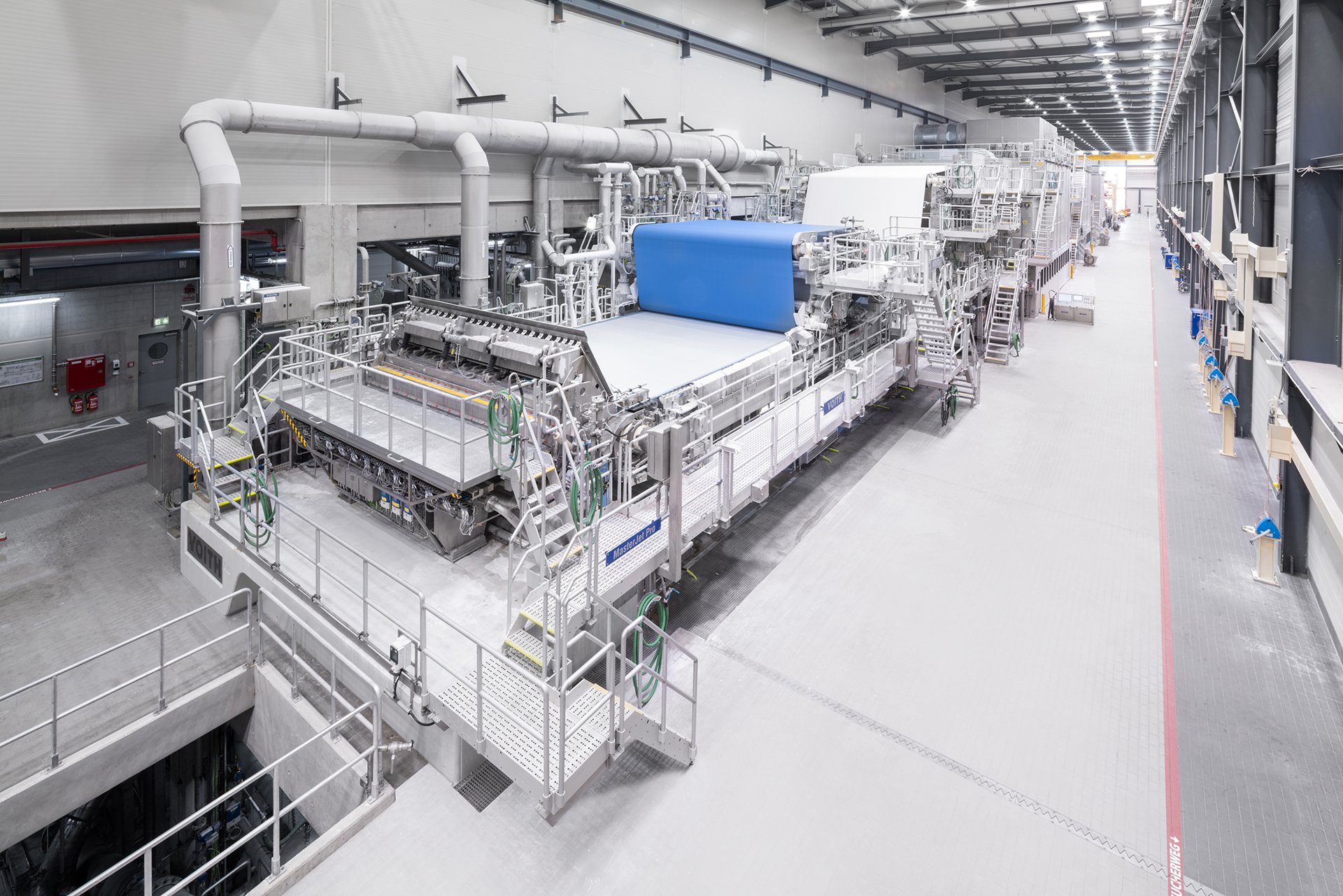
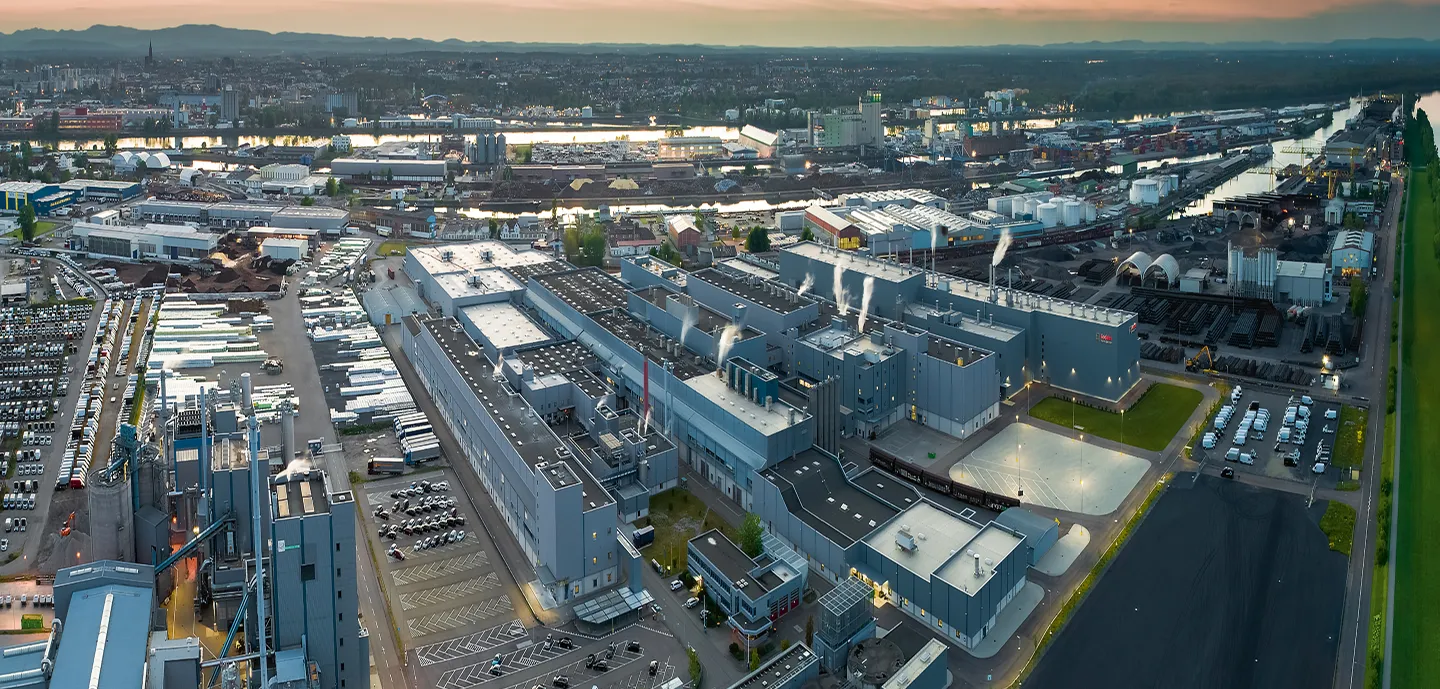
To provide customers and partners with reliable carbon data, Koehler Paper has calculated PCF data for products manufactured at its Kehl and Oberkirch mills. The figures were most recently updated for the 2024 reporting year. They cover a range of product groups, including thermal papers, flexible packaging papers, fine papers, decor papers and carbonless papers, and are updated annually. Koehler follows a cradle-to-gate approach, covering all relevant processes from raw material extraction to the point at which the product leaves the mill. The calculations take account of raw materials, energy consumption, transport and other upstream processes.
These upstream processes are among the greatest challenges. “Complete and comparable information is not available for every raw material and every supplier,” says Kriete. Companies therefore depend on close cooperation with their partners and also draw on established databases such as ecoinvent, which provide average data for different materials. These figures always need to be treated with a degree of caution. “Data can never fully reflect reality,” Kriete explains. At Koehler, calculating PCF values has therefore become an interdisciplinary task. Sustainability management, purchasing, supply chain management, energy management and controlling work closely together to create the most robust data basis possible.
The Critical Issue: Data Quality
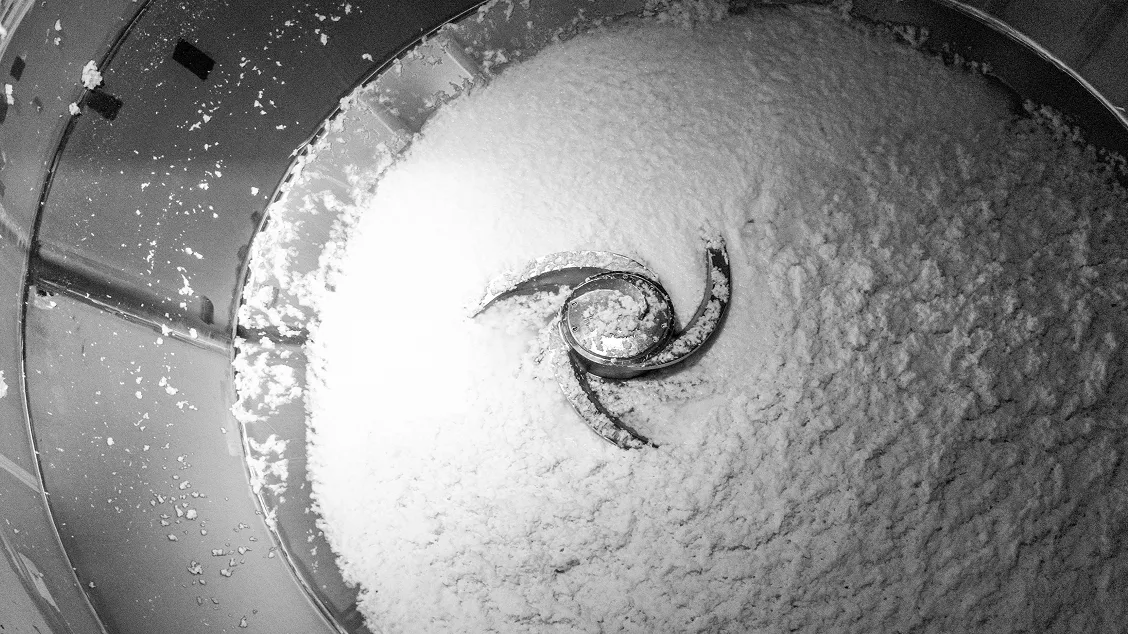
The more deeply companies engage with PCF calculations, the clearer it becomes that the main challenge lies not only in the methodology, but above all in the quality of the available data. In some cases, assumptions have to be made or generic datasets used. At the same time, system boundaries and methodological choices affect the result. The calculated carbon footprint is therefore not an exact measurement. It is a model designed to represent a product’s potential climate impact on the basis of a defined set of assumptions.
Ideally, a PCF should not be calculated once and then left unchanged. Raw materials, energy consumption, supply chains and data sources are constantly evolving. To remain current and meaningful, the figures should be reviewed and updated regularly. This makes transparency about assumptions and limitations essential. “Anyone using PCF figures to inform material choices should look beyond the number itself and understand how it was calculated,” Kriete stresses.
A PCF Is Not the Same as a Life Cycle Assessment
This highlights an important distinction that is often blurred in practice: a PCF is not the same as a life cycle assessment, or LCA. While a PCF focuses specifically on climate impact, an LCA assesses a broader range of environmental impacts across the product life cycle. These may include resource consumption, acidification, eutrophication – an oversupply of nutrients – and other environmental indicators. The PCF nevertheless remains an important climate metric. It shows the emissions associated with a product and helps identify potential for reductions. Other environmental aspects, however, are either not captured or only reflected indirectly.
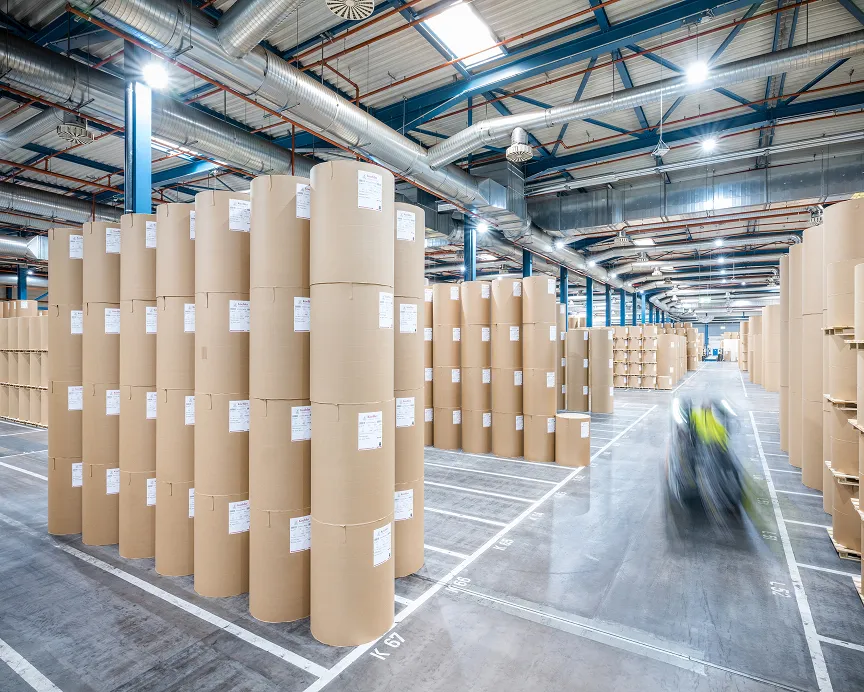

Packaging solutions ultimately need to be assessed holistically. A low carbon footprint alone is not enough if other requirements are not met.
Sustainability Manager
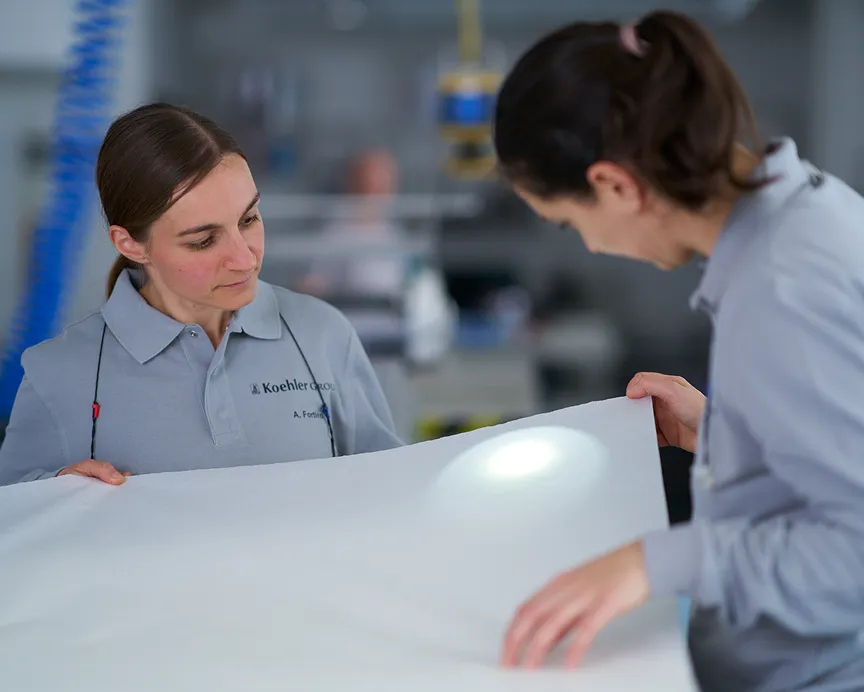
When compiling its PCF data, Koehler considers a range of factors, including raw materials, energy consumption, transport and other upstream processes.
Why a Single Number Cannot Tell the Whole Story
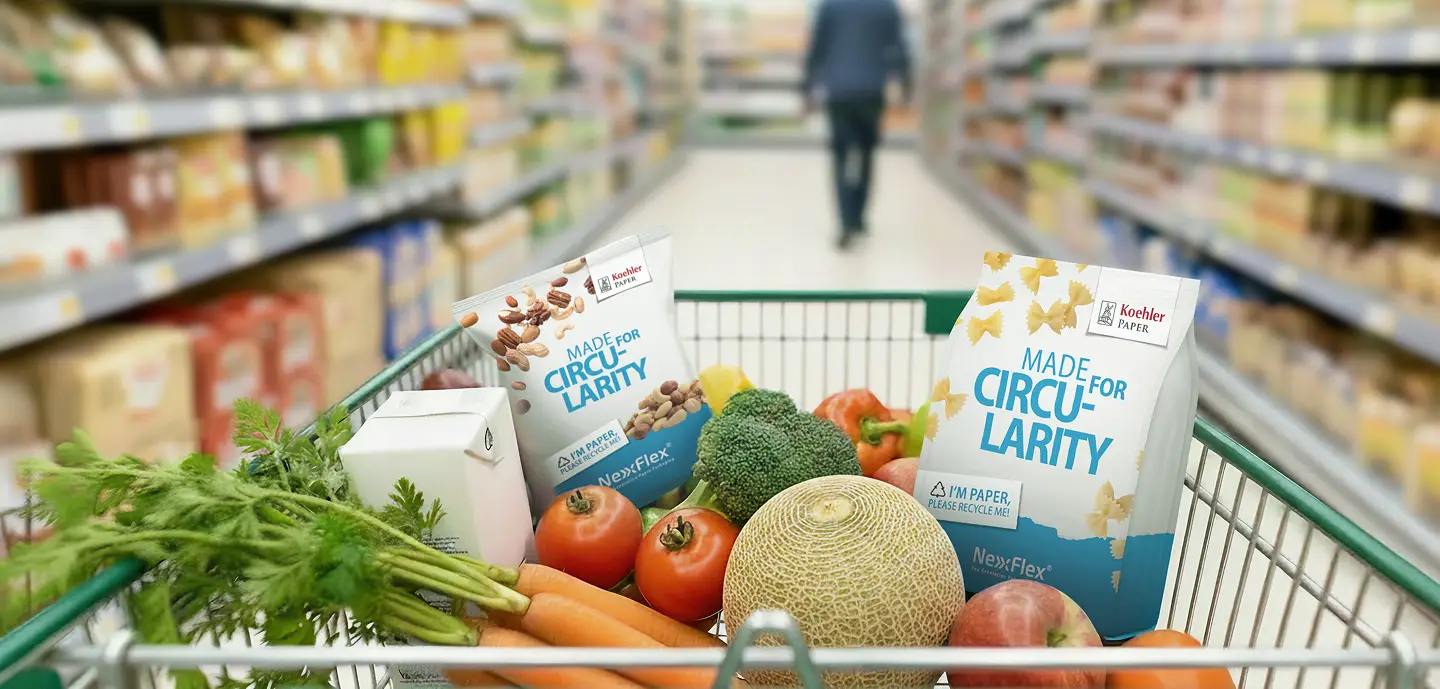
Packaging makes it particularly clear why focusing on a single metric is not enough. A low carbon footprint does not automatically make a packaging solution the most sustainable option. It must also meet the specific requirements of the product, including protection, line performance, barrier properties, recyclability and circularity.
Targeted research can also improve materials such as paper in ways that positively affect their PCF. “At Koehler, we are working intensively to continuously align material performance with environmental considerations,” Kriete says.
For paper-based packaging solutions, a holistic assessment is particularly important for another reason. Paper is made from renewable raw materials, is integrated into established recycling systems and can replace plastic films in many applications. These qualities, however, cannot be fully captured by a single CO₂ metric. To provide greater transparency, Koehler Paper also uses Paper Profiles based on the company’s own measurement data. These include the CO₂ emissions associated with the paper itself as well as information on the impact of downstream processes such as printing and converting.
None of this diminishes the importance of the PCF. On the contrary, it provides an essential basis for making climate impacts visible and identifying potential for improvement. “The key is to put the PCF into context and use it alongside other parameters,” Kriete emphasises.
A Tool for Better Decisions
The importance of the PCF is set to grow in the coming years. Customers and converters will expect more detailed emissions data throughout the supply chain. At the same time, standards and calculation methods are likely to become more harmonised.
For companies, the metric provides a way to communicate climate impacts transparently and base decisions on better data. For the packaging industry, however, its real value does not lie in optimising a single number. “What matters is assessing climate impact, resource efficiency, functionality and circularity together,” Kriete concludes.
For Koehler, the PCF is therefore not an end in itself. It is an important tool for transparently communicating the climate impact of products and identifying potential for improvement in conjunction with other metrics. Sustainable packaging is not created by pursuing the lowest possible CO₂ figure alone. It emerges where environmental performance, technical feasibility and circularity come together.