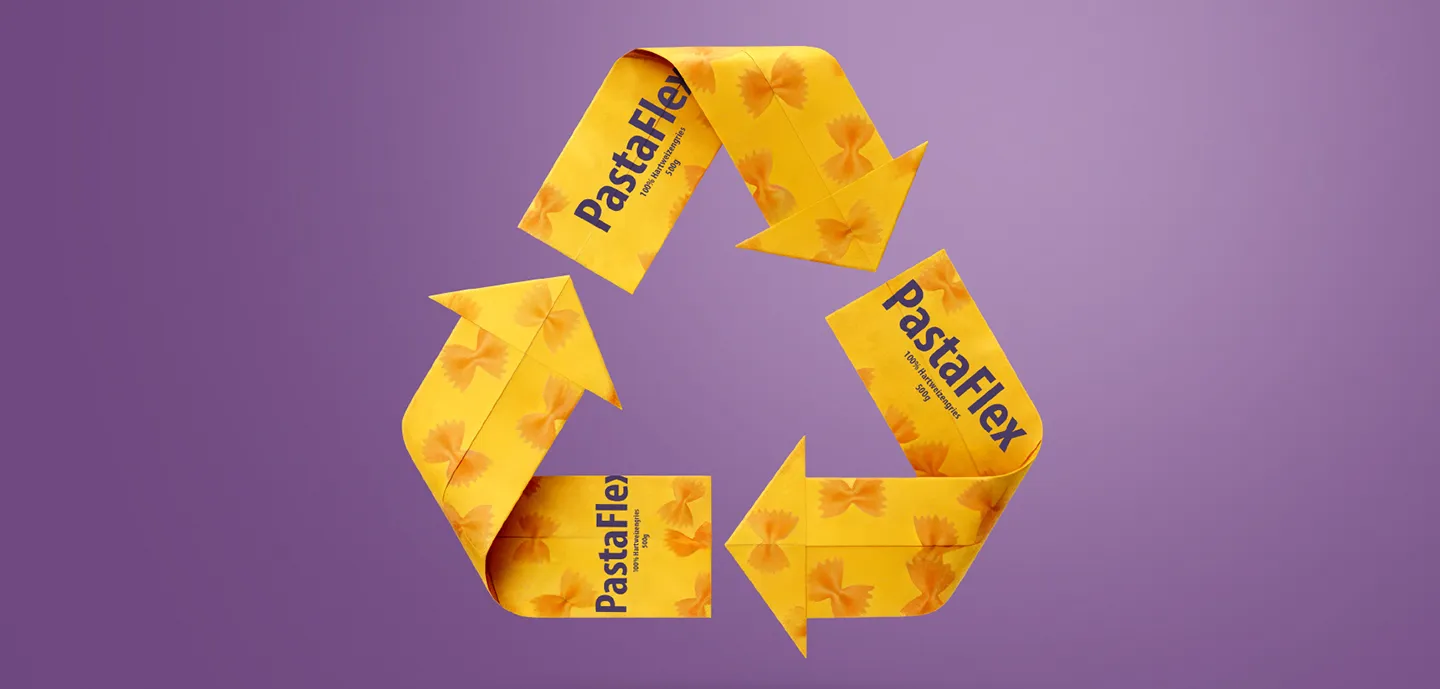
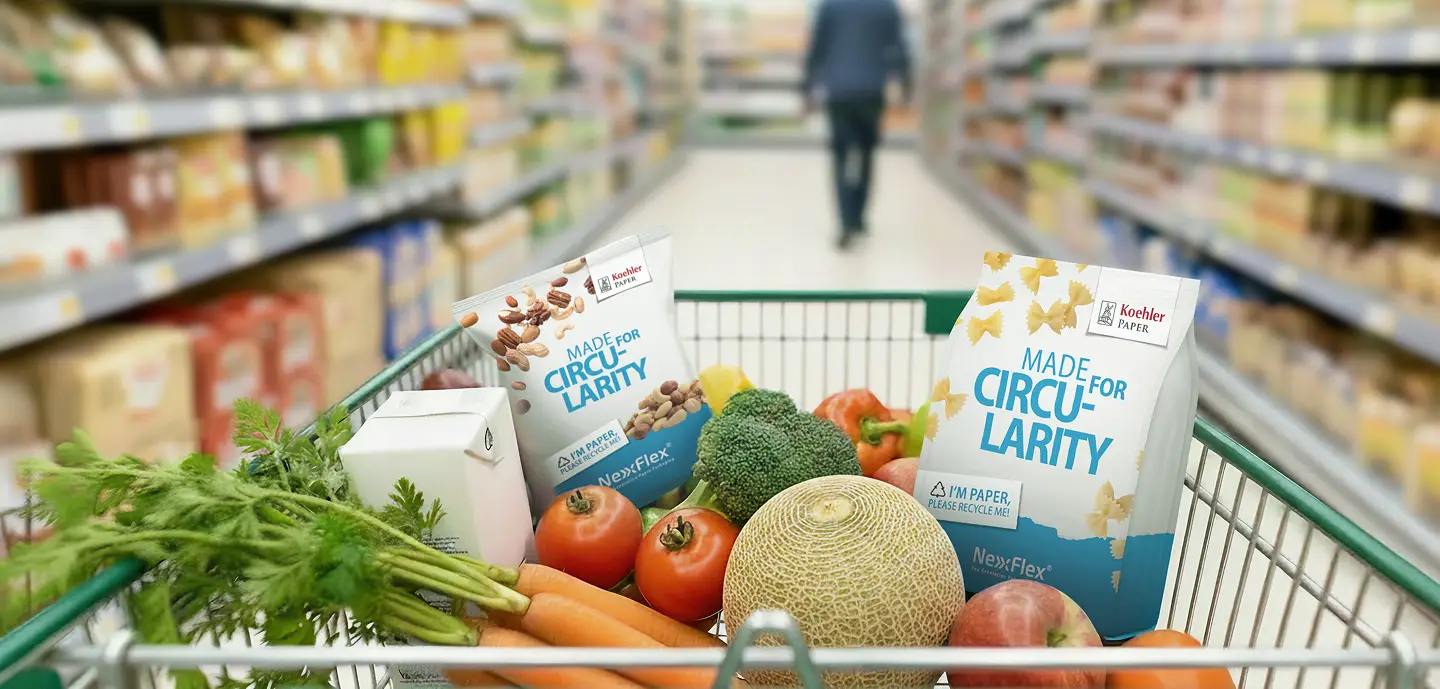
AI generated
Five questions to ask before switching to paper
Replacing plastic with paper is not simply a matter of swapping one packaging material for another. The new solution has to protect the product reliably, fit the brand, run on existing machinery and be commercially viable at scale. These five questions can help brand owners approach the transition systematically – and turn a promising idea into a market-ready packaging solution.
Paper instead of plastic: for many consumer goods manufacturers, this is no longer just a theoretical option. The Packaging and Packaging Waste Regulation (PPWR) has applied since 12 August 2026, making recyclability a key criterion for packaging. At the same time, many consumers expect solutions that can be easily returned to established recycling streams.
Packaging does much more than contain a product. It protects it, supports efficient production and logistics, shapes the brand experience and influences how consumers interact with it. Changing the packaging material means reconsidering all of these factors together.
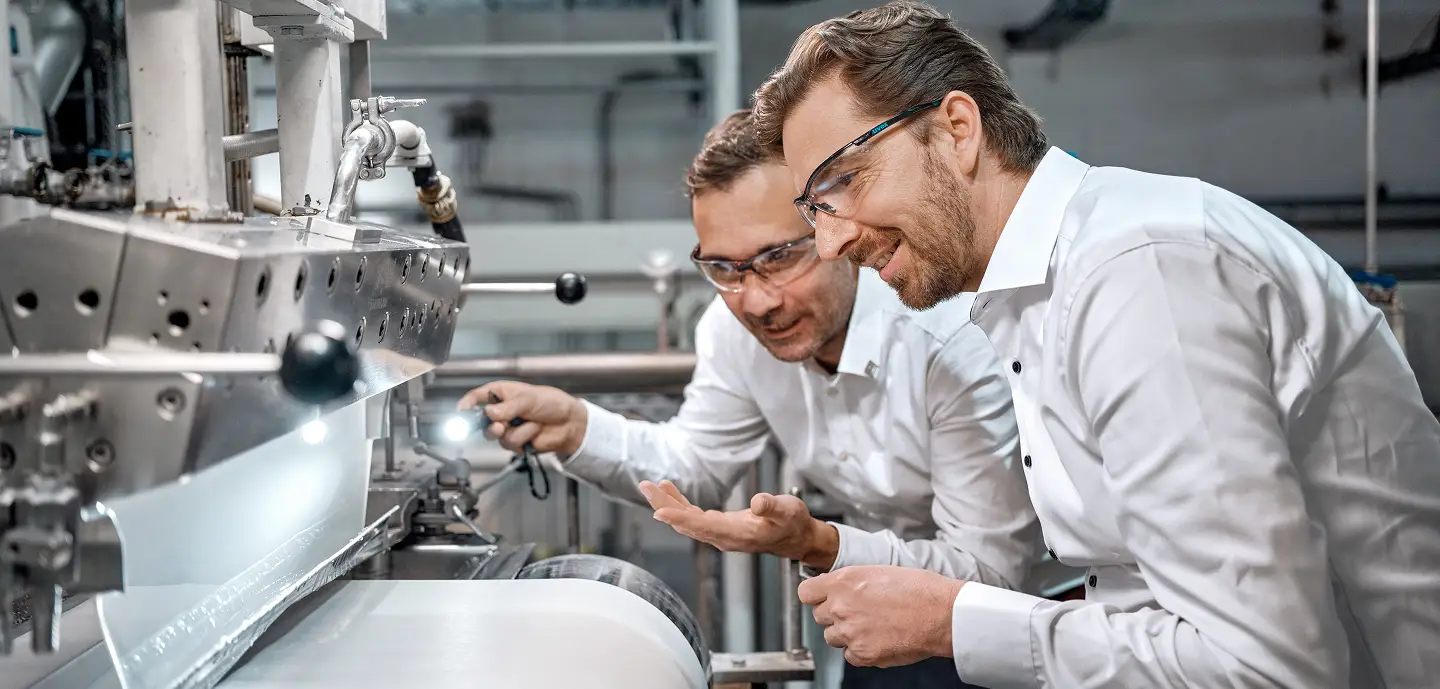
That is why a successful transition does not begin by searching for a ready-made replacement material. It begins with a clear understanding of what the packaging actually needs to deliver. All relevant teams – from packaging development and quality assurance to production, procurement and marketing – should therefore work together from an early stage and involve the paper manufacturer from the outset.
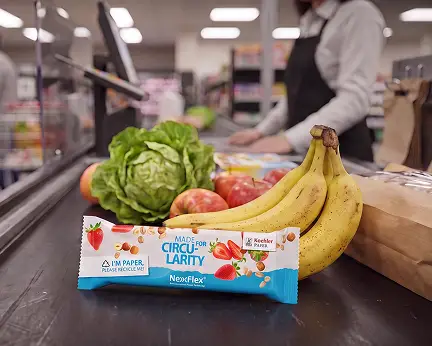
AI generated
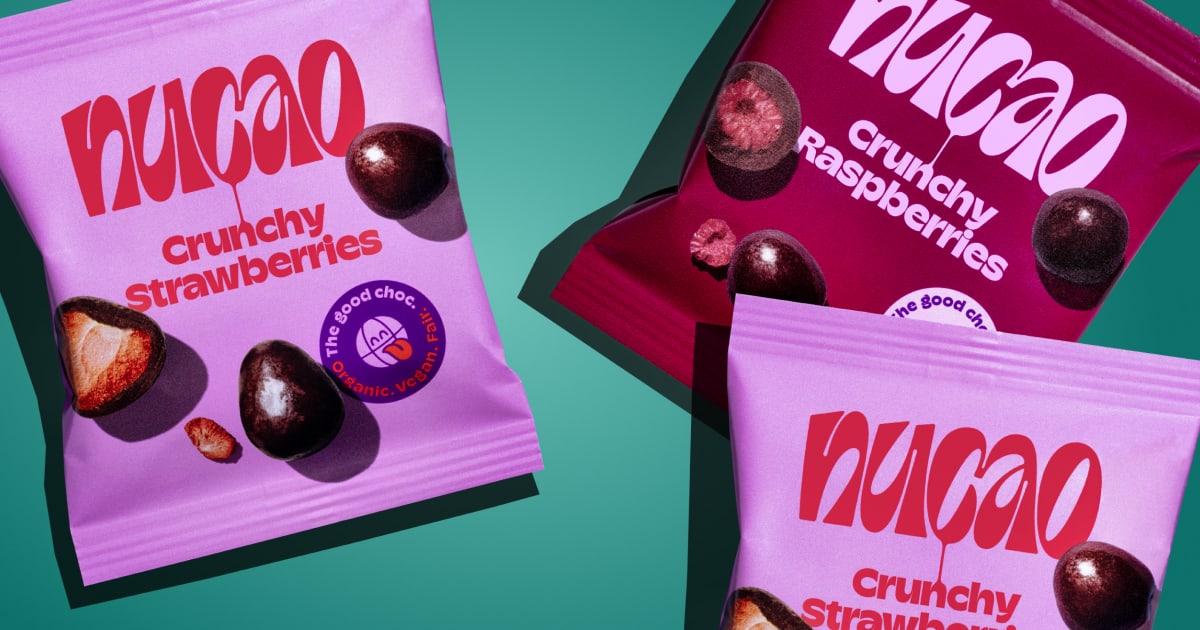
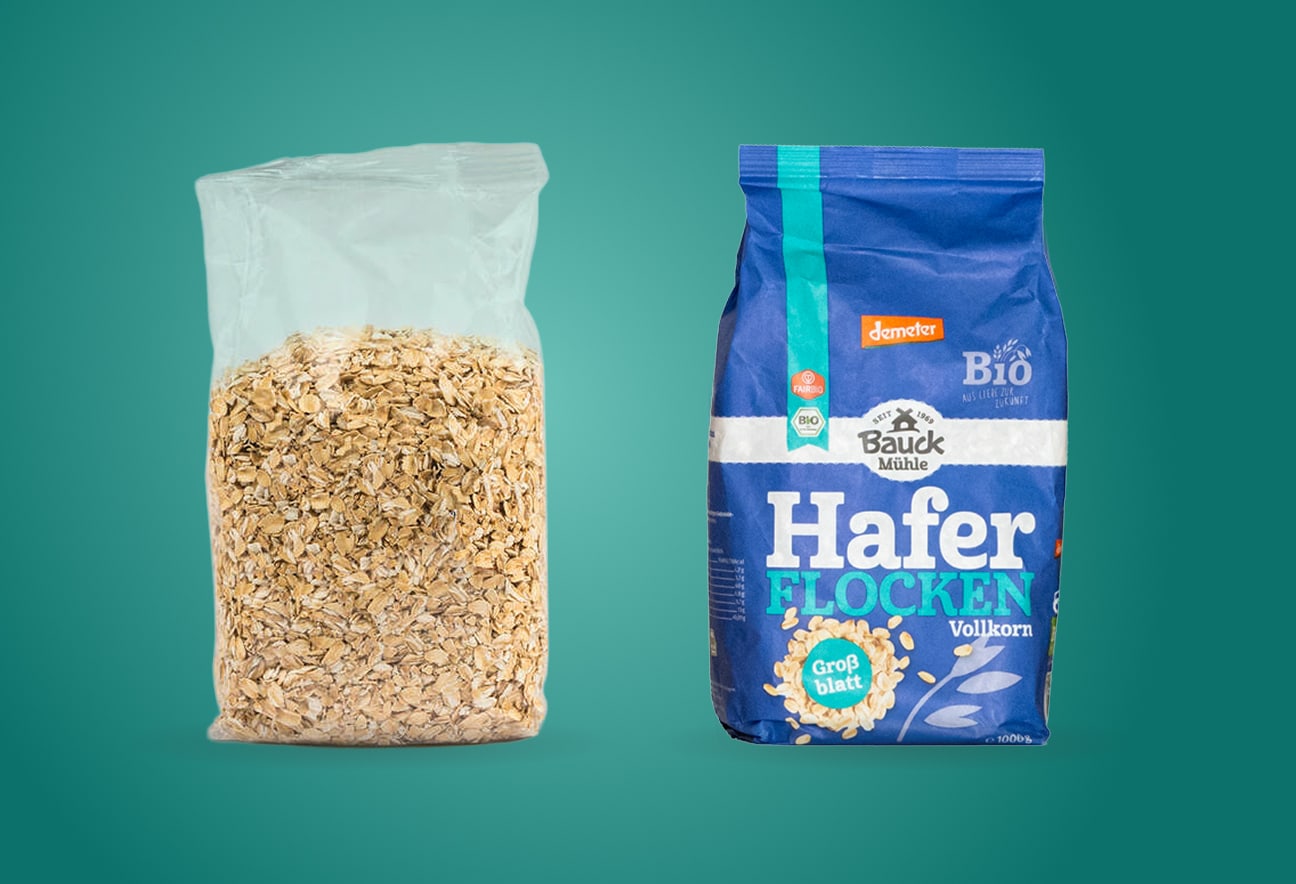
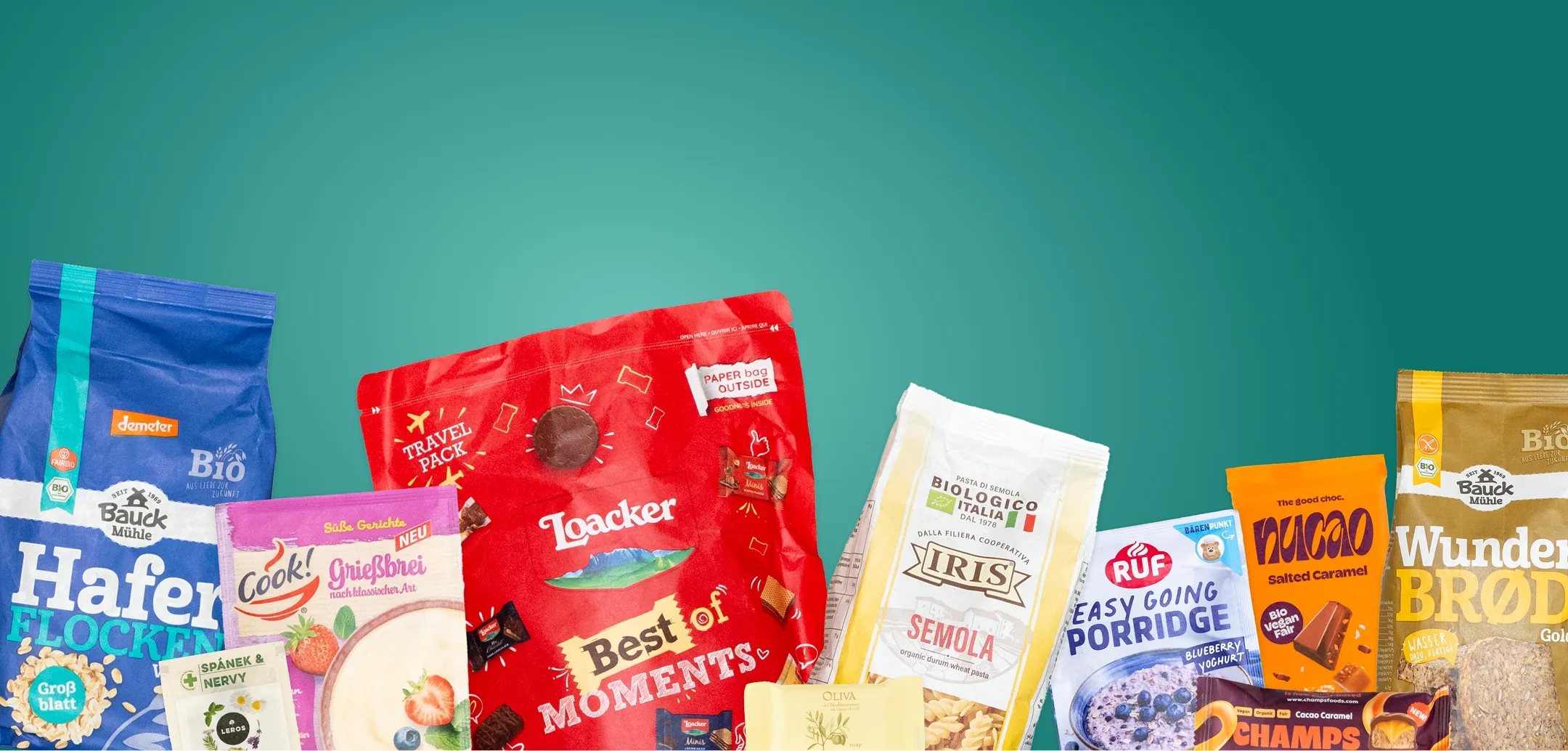
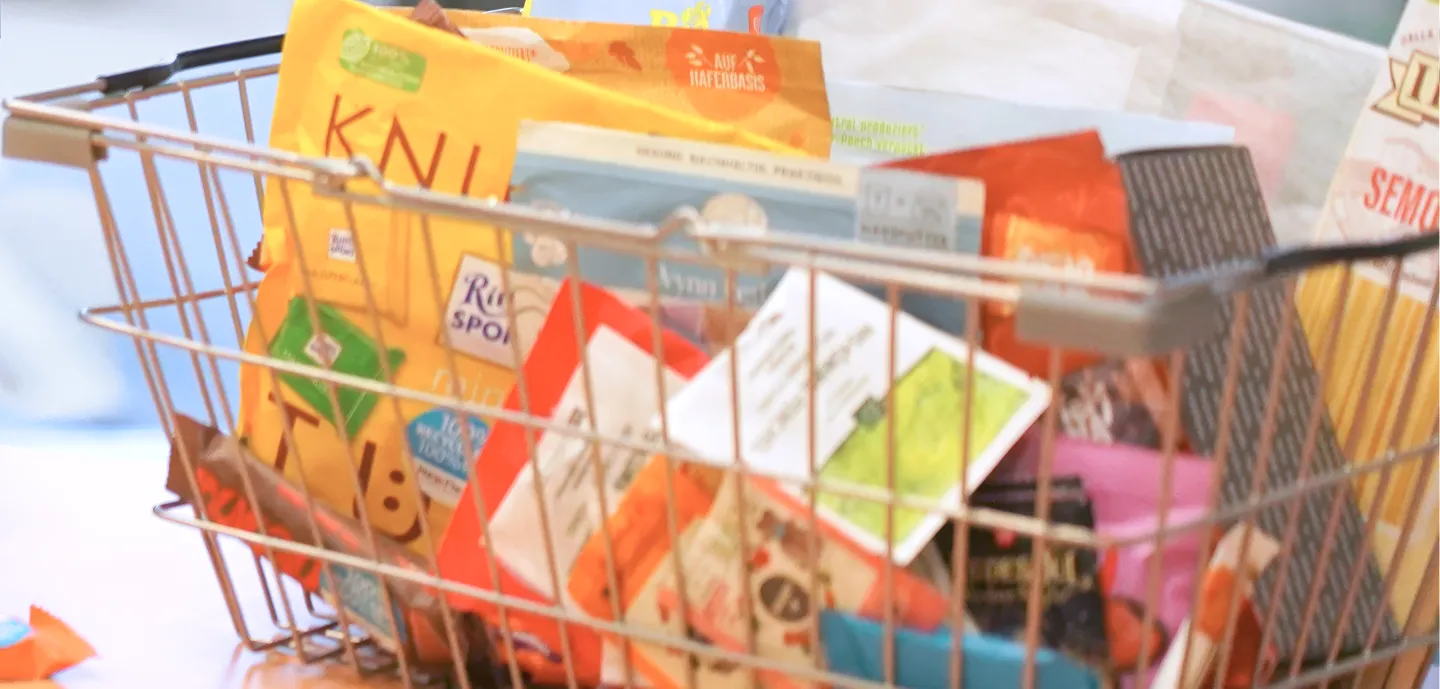
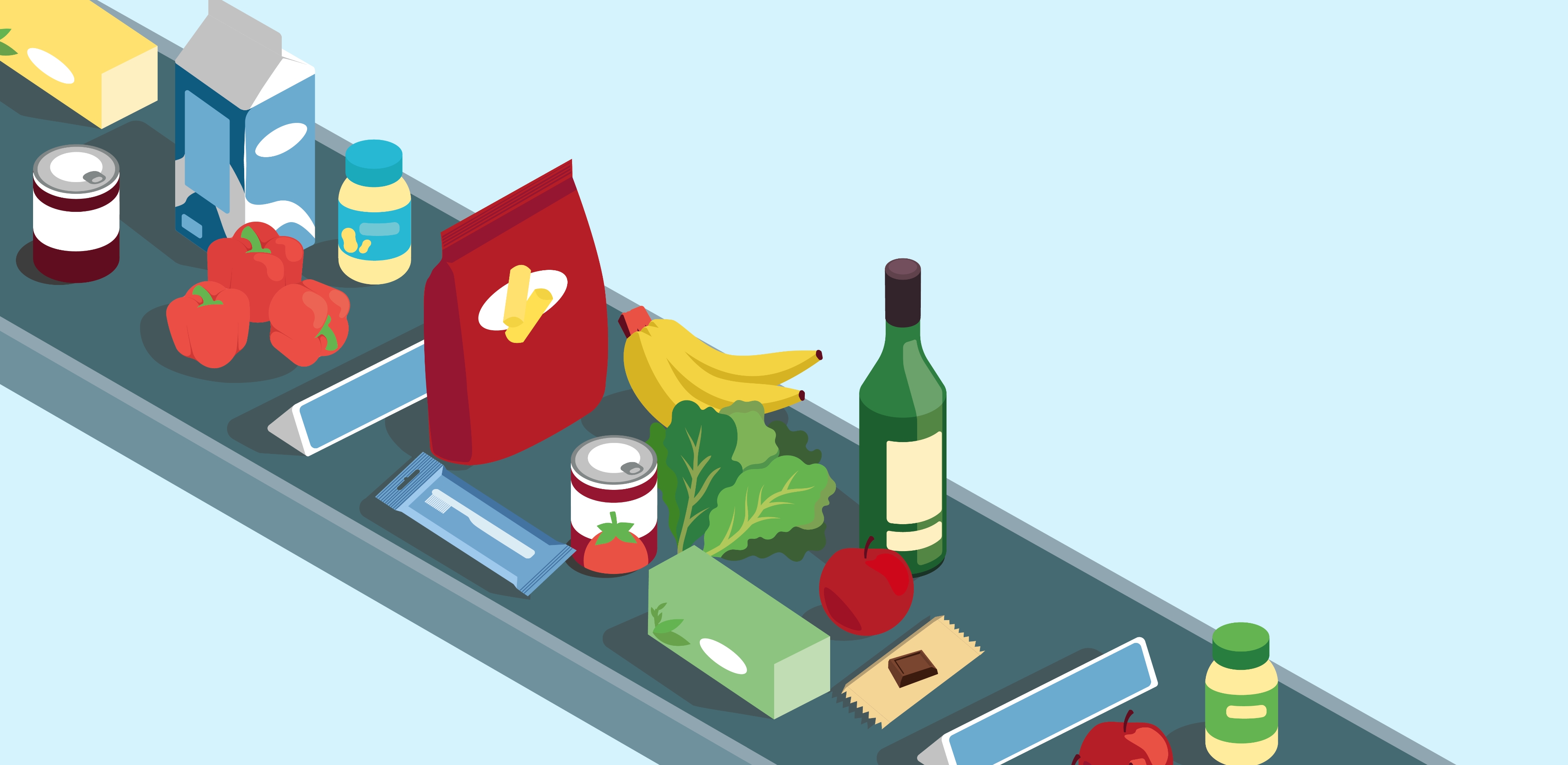
There are already many suitable paper packaging solutions available for a wide variety of foods.
What matters most:
Switching materials is a team effort
Moving to paper is not a single material decision. It is a collaborative development process. Product protection, brand impact, machinability and commercial viability need to be brought together and tested step by step.
The earlier everyone involved makes their requirements clear, the more efficiently a suitable solution can be developed.
That is how the ambition to create more circular packaging becomes a robust solution for the shelf: technically validated, right for the brand and ready for commercial production.