A Packaging Material on the Rise
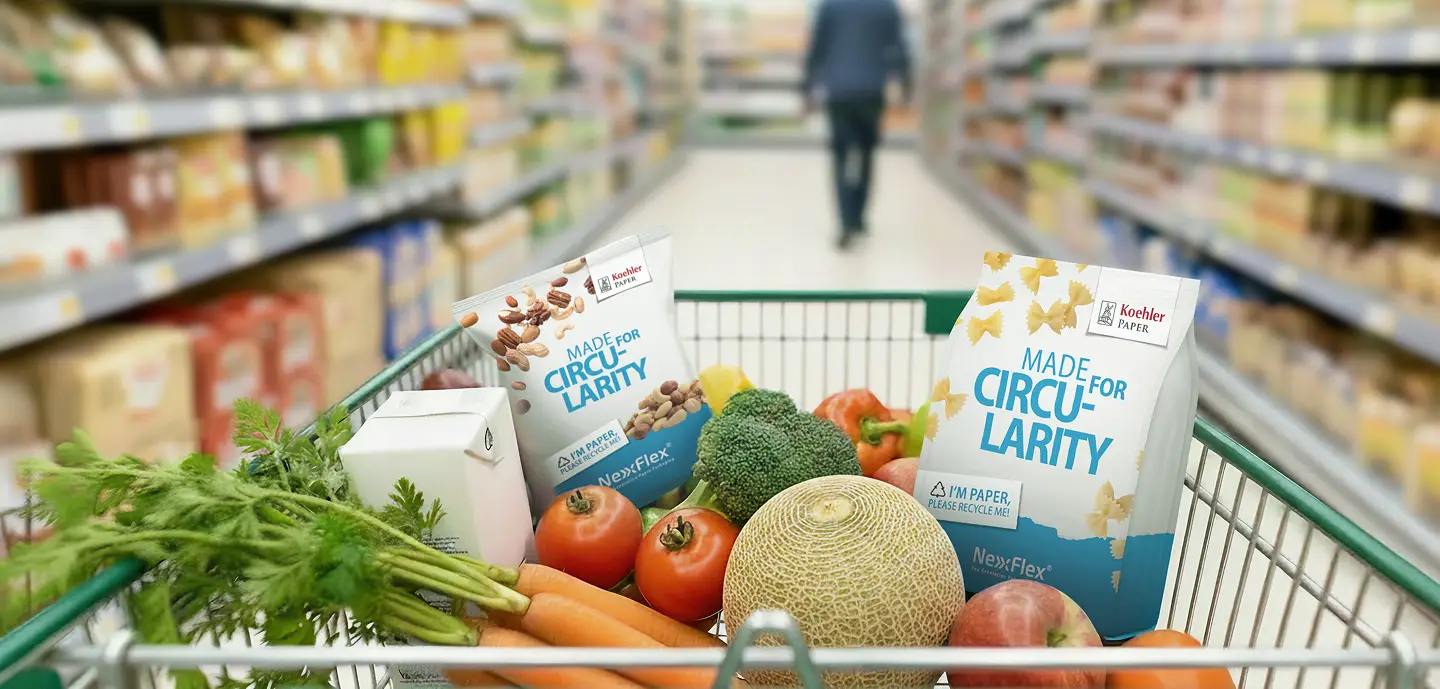
Protecting products while supporting circularity – today's packaging papers have to do both. Dispersion barrier coatings provide the key to safeguarding sensitive goods while keeping paper recyclable.
Paper has one major advantage over many other packaging materials: it is made from renewable resources and can be recycled again and again. Thanks to continuous advances in recycling technology, an ever-growing share of valuable fibres can be recovered and returned to the material cycle.
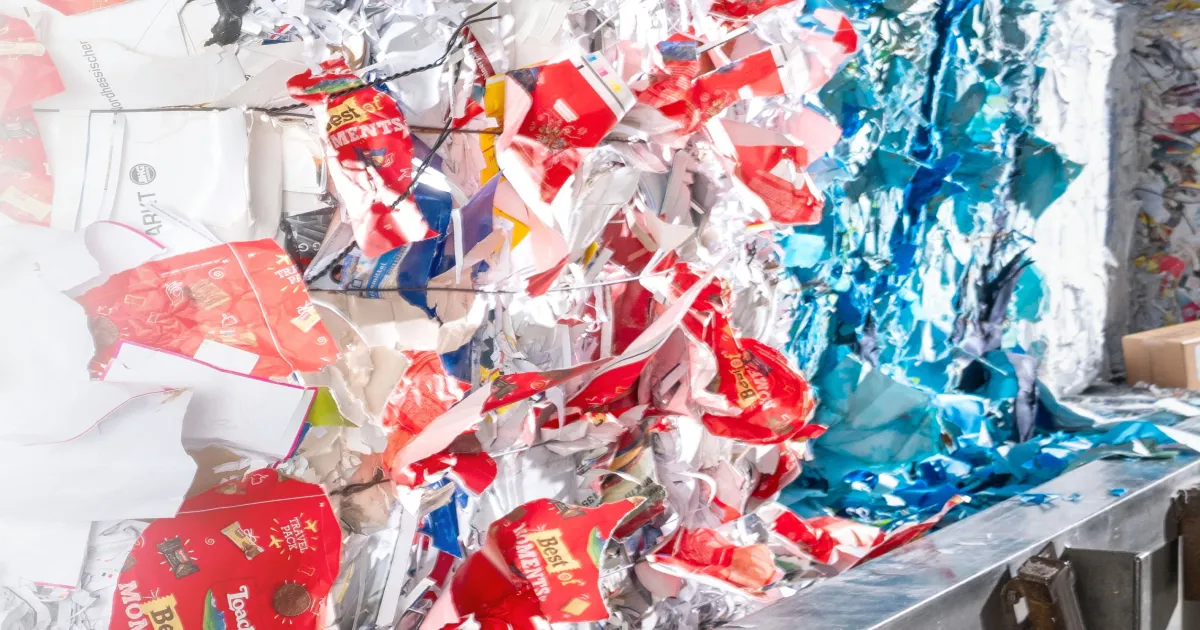
Today, more than 75% of paper fibres are recovered during each recycling cycle—significantly more than in the mid-1990s. Improved deinking technologies and innovations such as dry fibre recovery have made it possible to recycle even paper grades that were once considered difficult to process.
But recycling technology is only part of the equation. The barrier coatings that protect packaging against moisture, oxygen, mineral oils and light also play a decisive role in determining how efficiently paper can be recycled. Some material combinations continue to present challenges. Plastic laminates, for example, adhere strongly to paper and often cause fibre losses even when separation is technically possible. Valuable fibres remain attached to the plastic instead of returning to the recycling stream.
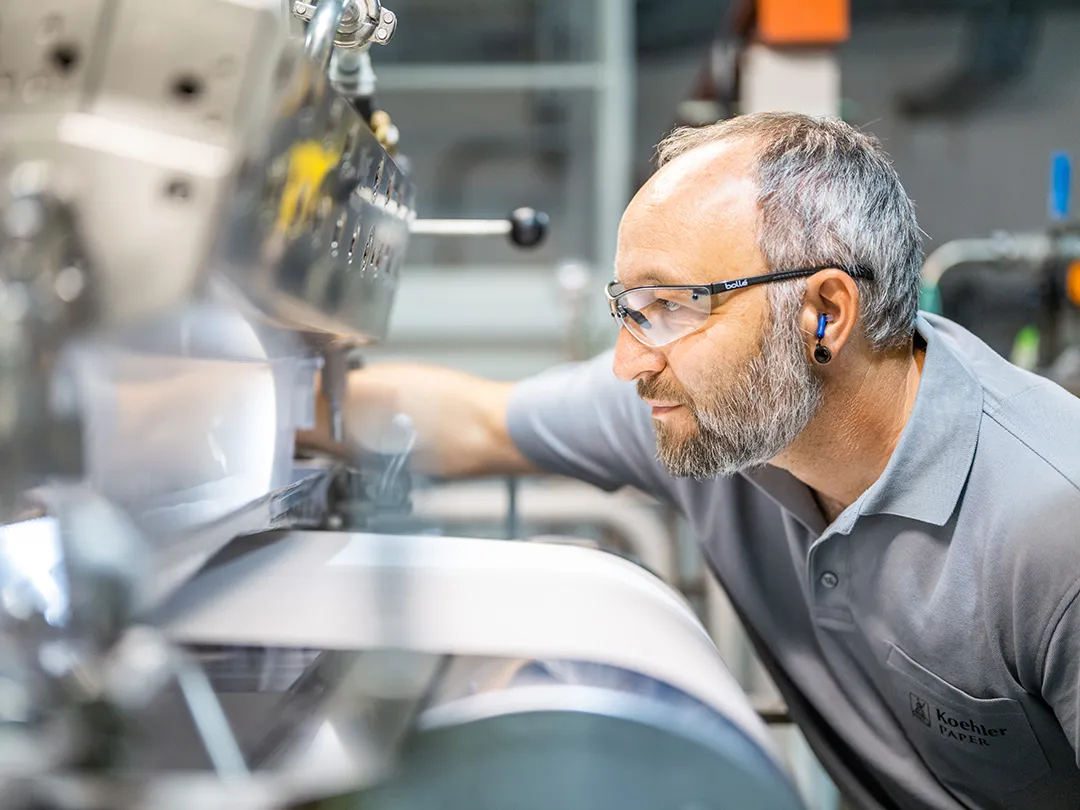
By controlling both development and production, paper manufacturers can draw on their expertise throughout the entire value chain.
of paper fibres are recovered in every recycling cycle thanks to modern recycling technologies
The Recycling Advantage of Dispersion Coatings
Dispersion barrier coatings offer a different approach. Applied directly to the paper surface, these water-based coatings—whether synthetic or bio-based—can be separated from the fibres far more efficiently during recycling. When exposed to water, heat and mechanical action, the extremely thin coatings break down into small particles, releasing most of the fibres. This not only saves time and resources but also supports compliance with international recycling standards such as those established by CEPI. When properly formulated, any remaining dispersion particles either do not interfere with subsequent recycling processes or are removed during stock preparation. Another important advantage is that dispersion coatings require comparatively little polymer, supporting one of the central objectives of the European Packaging and Packaging Waste Regulation (PPWR).
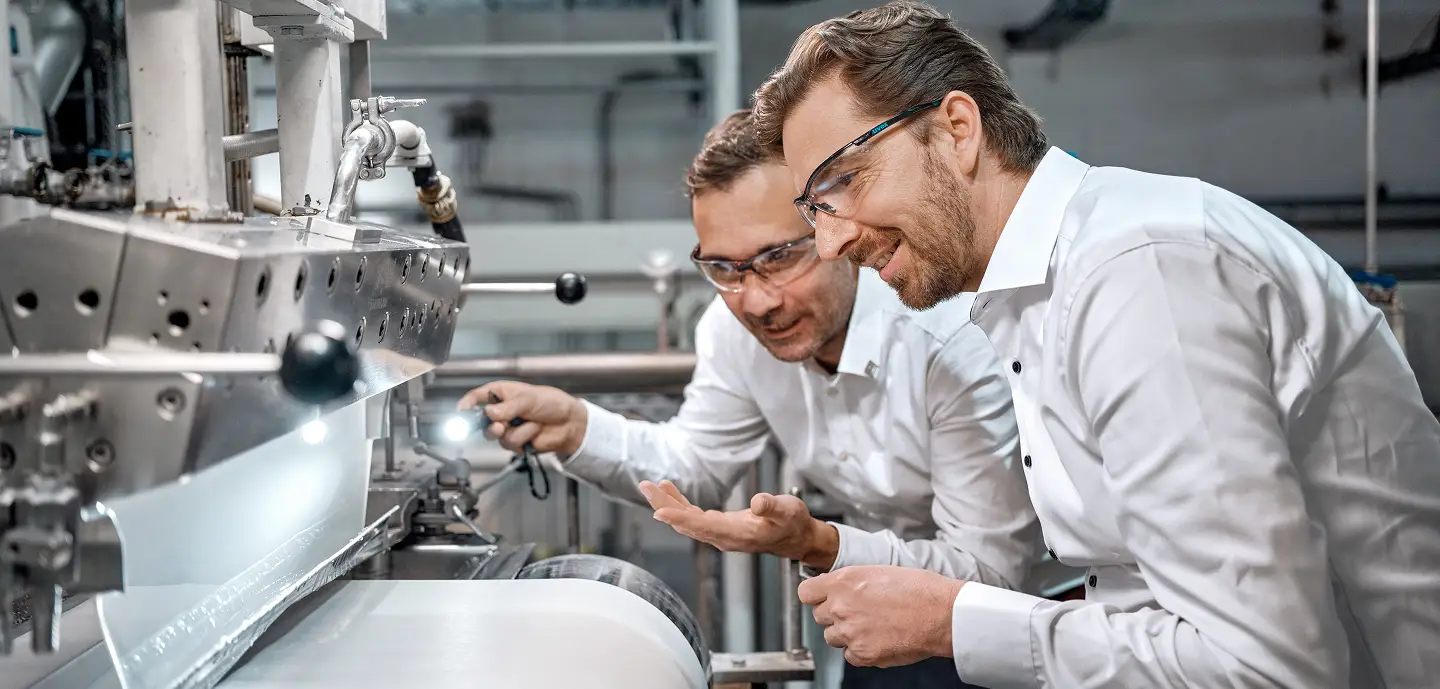
The foundation of truly circular paper packaging lies in barrier papers that are designed and manufactured in accordance with internationally recognised recycling standards. Manufacturers who oversee the entire development and production process have a clear advantage, combining material expertise with close collaboration with research institutions, continuous product testing and assessments based on globally recognised recycling criteria. The result is packaging paper that combines excellent recyclability with efficient processing—in theory and in practice.

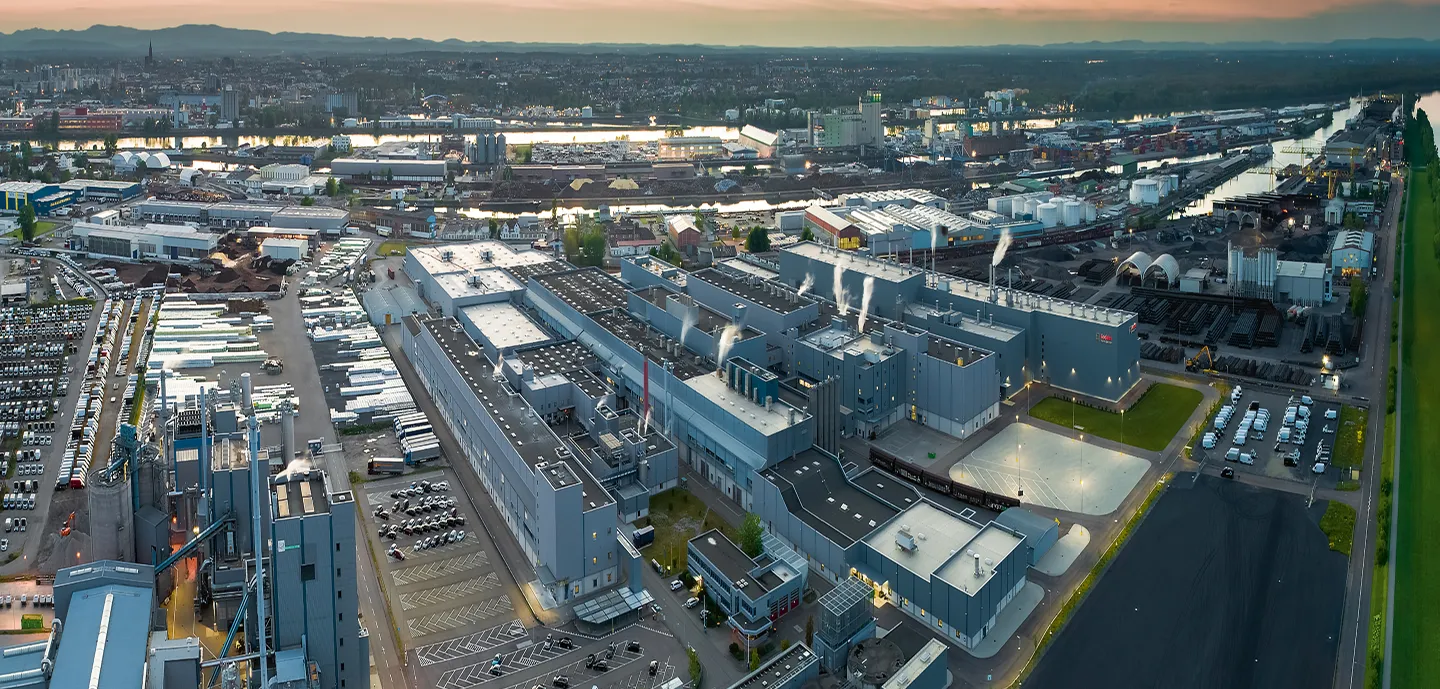
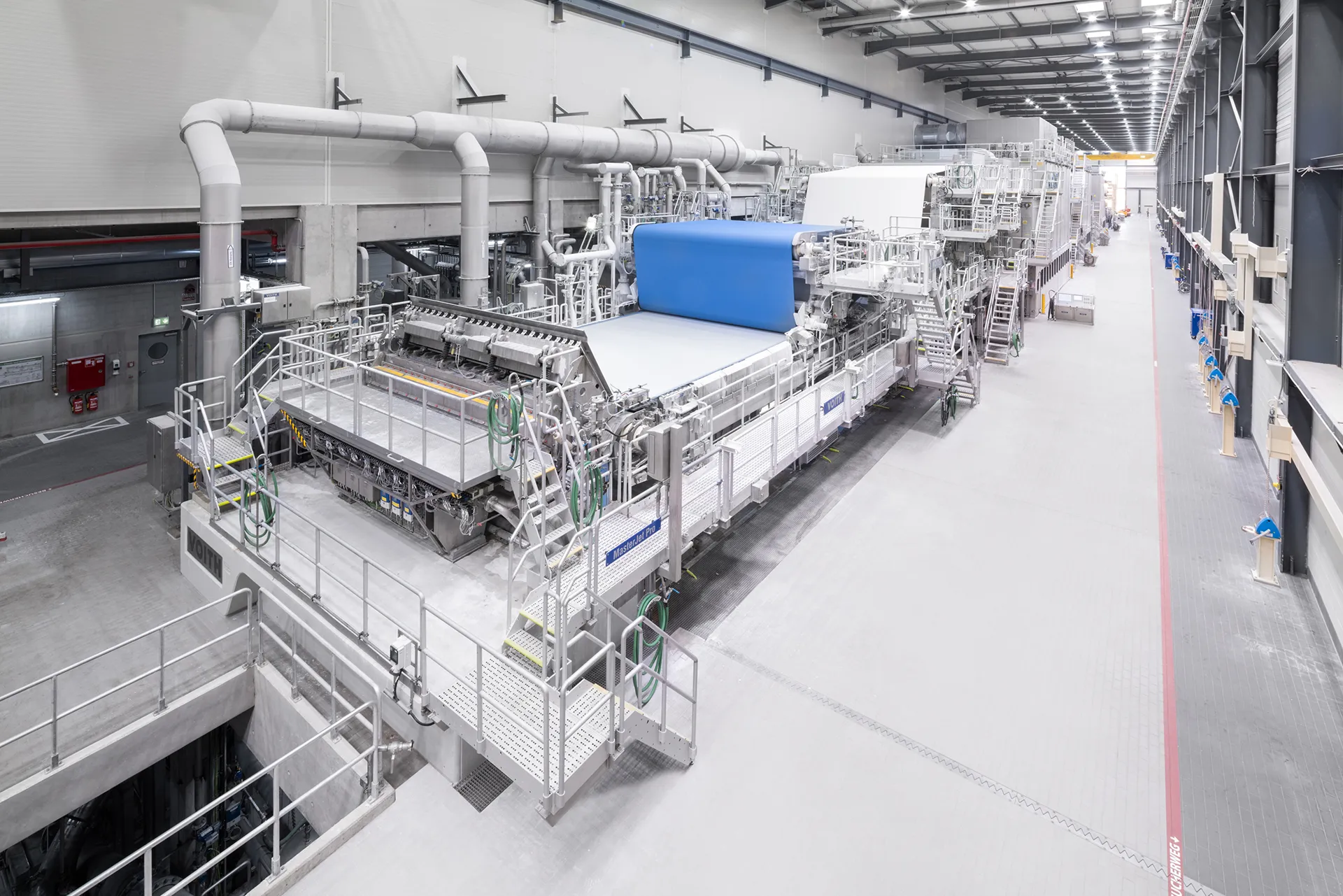
150 m
Length of Koehler Paper's production line 8 paper machine
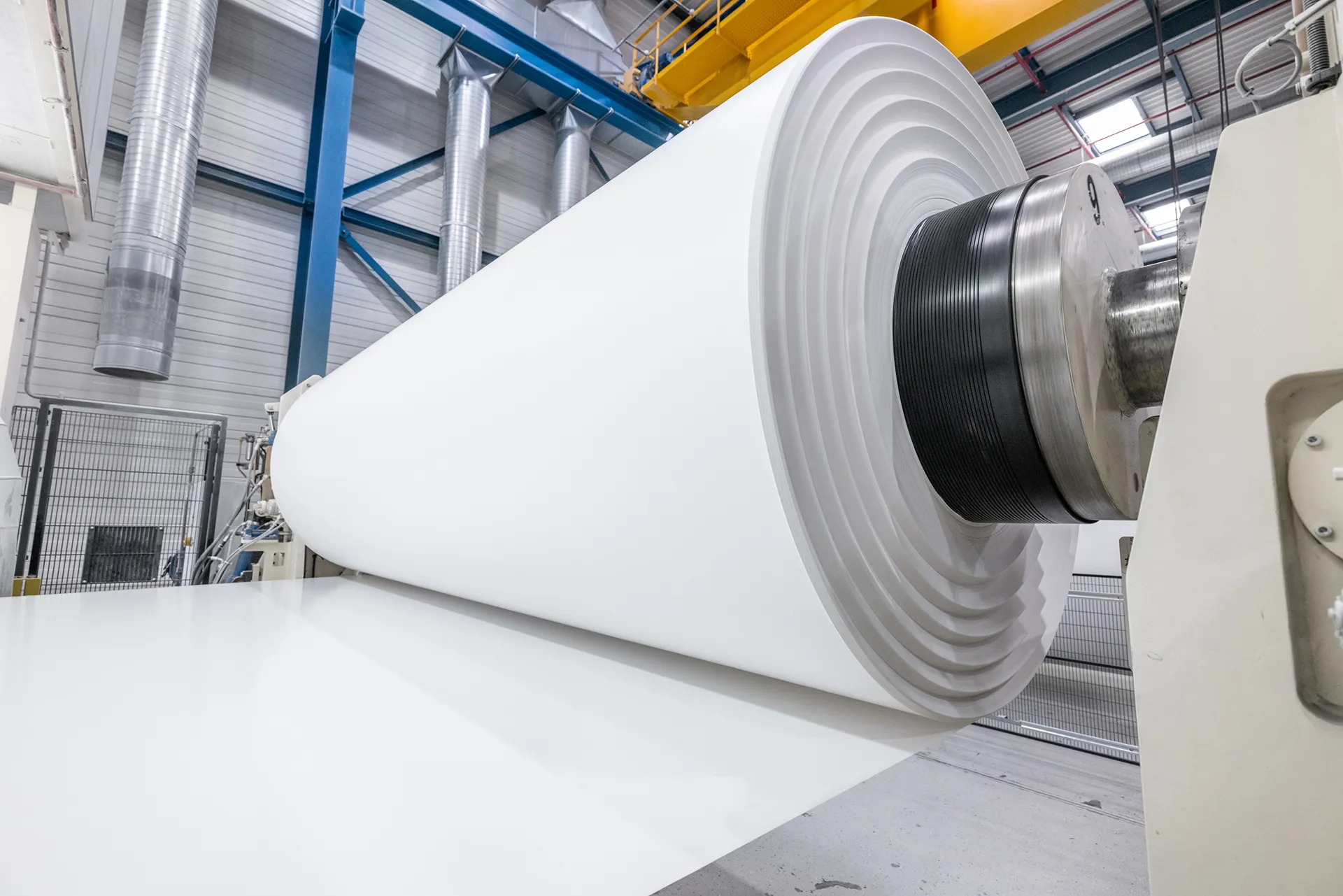
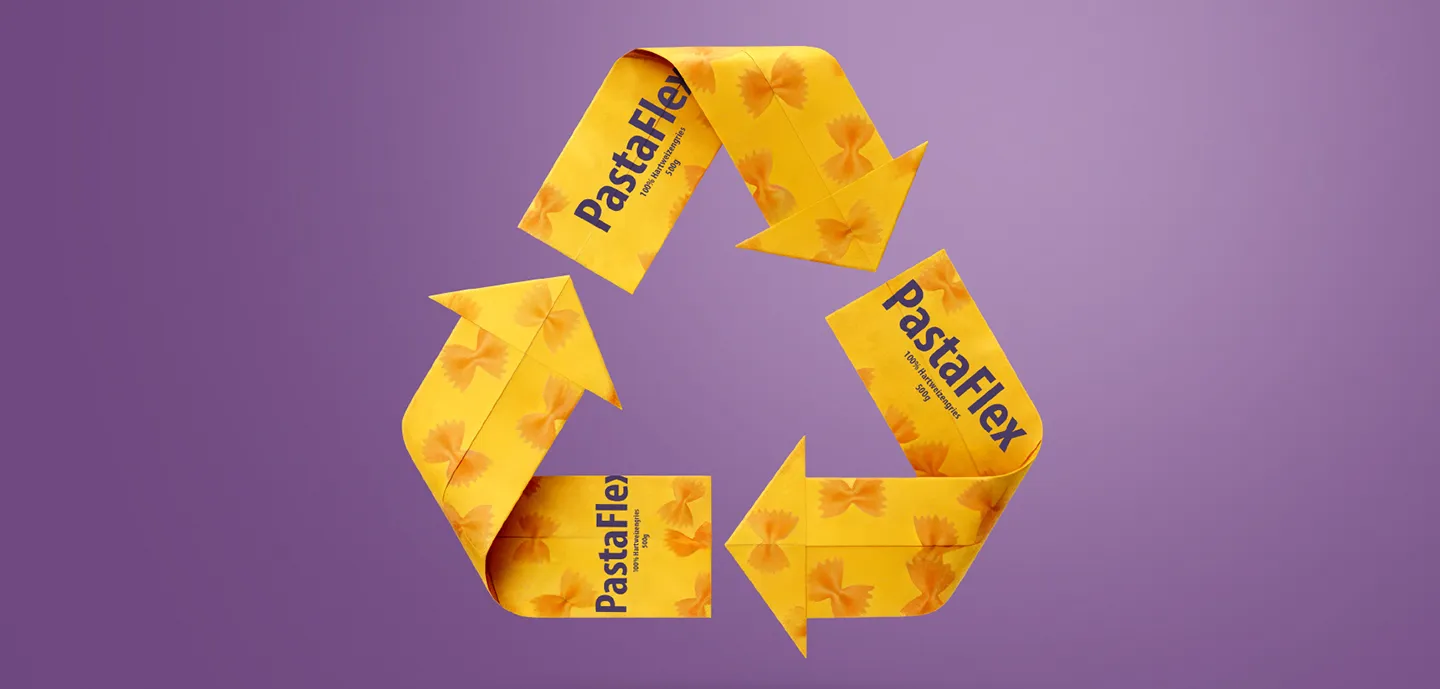
Barrier papers form the foundation of circular paper-based packaging solutions.
Multiple Coatings, Greater Flexibility
High-performance production lines play a key role in manufacturing advanced barrier papers efficiently. Multi-layer coating technologies enable the production of packaging papers that not only provide reliable product protection but also create strong shelf appeal—for example through printable top layers that complement the dispersion barrier.
One thing is clear: paper has enormous potential as a truly circular packaging material. Unlocking that potential requires the right combination of scientific expertise, innovative product development and state-of-the-art manufacturing.