Cheese snacks in paper packaging:
Let's roll, Baby!
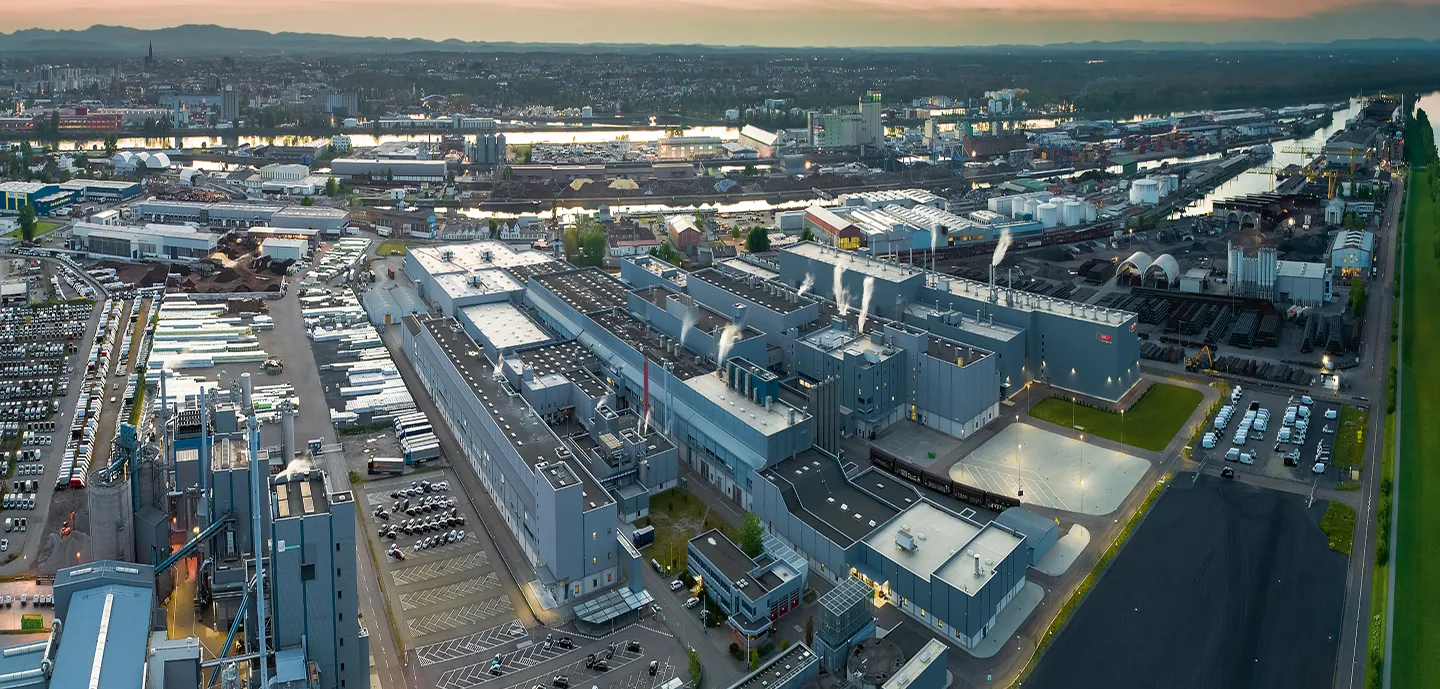
Small, round, red – few snacks are as distinctive as the Mini Babybel. The wax-coated cheese in a snack size can be conveniently enjoyed anywhere. But consumers expect more than good taste and convenience – recyclability plays a major role. This is where Koehler Paper comes into play.
The fact that Mini Babybel has a cult following is not only due to the product’s quality, but also the iconic packaging. Kids open the distinctive red wax casing like a treasure chest. If you ask Babybel Packaging Development Manager Victor Desmonts about his mission, the answer is promptly: “I want to develop beautiful packaging that is robust enough to protect the product on its journey from the production stage to the consumer’s refrigerator.”
The topic of recyclability is becoming an increasingly important. By 2030, Bel wants to switch completely to recyclable packaging: “We are researching an improved wax formula and in general want to eliminate plastics as much as possible.” This also applies to a new product: Babybel 2 Go.
49%
of adults eat more than one Babybel at a time.
The power to innovate is crucially important. We have to develop highperformance paper that is similar to films.
Bettina Bastien,Brand Owner Manager / Business Development Flexible Packaging Paper at Koehler Paper
Paper instead of plastic
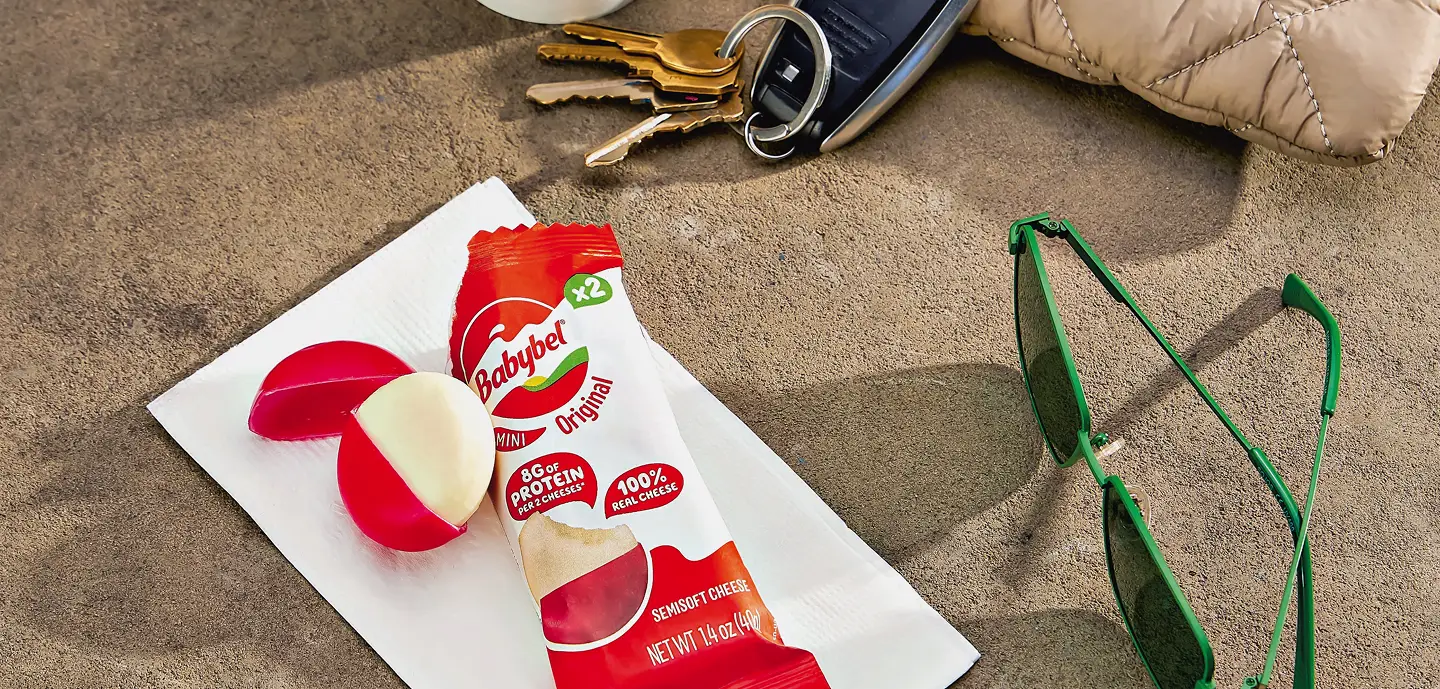
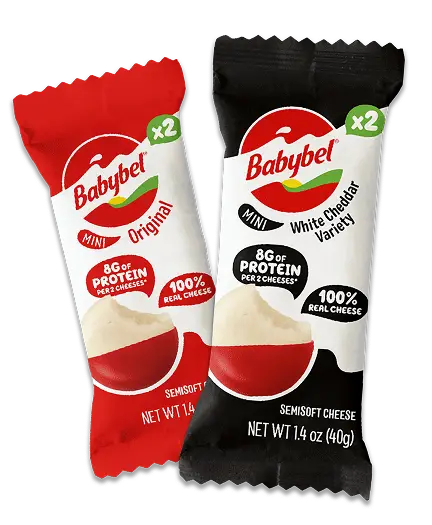
The snack comes in a flowpack, like the ones people recognize from chocolate bars, and contains two Mini Babybels. It is available in parts of Europe, in Canada, and in the US. The Bel Group is primarily aiming to expand its market share in the US. While in native France, but also in Germany, it is mostly children who eat the little cheese wheels, in the US adults are the target group. This is why Babybel 2 Go is primarily available at gas stations, highway rest stops, or in small corner shops.
“We’re delighted to have found a great solution with Koehler so that we can now replace the outer packaging plastic with paper.”
Thanks to Koehler NexPlus® Seal Pure, Mini Babybel 2 Go is available in mono paper packaging
And not only that: “Thanks to the stable and dimensionally-stable paper, we were able to also save on the inner cardboard packaging, which improves our brand image and evokes strong emotions. This reduces costs and the environmental load,” says Desmonts. The solution that he is referring to is Koehler NexPlus® Seal Pure, a packaging paper developed by Koehler Paper that combines reliable functionality with improved sustainability.
High Requirements
Three aspects in particular were important during the transition:
The hot-sealable packaging paper must be capable of being processed smoothly on the existing packaging lines in every plant and at the same speed as film – and all of this at low sealing temperatures.
The paper must have an excellent resistance against bending and breakage, with optimal grammage and excellent sealing properties.
It must be a supple paper with a very smooth surface and good printability so as to present the brand in an appealing way.
Koehler has provided us with outstanding support from the test runs, to production, to communication.
Victor Desmonts,Packaging Development Manager Babybel
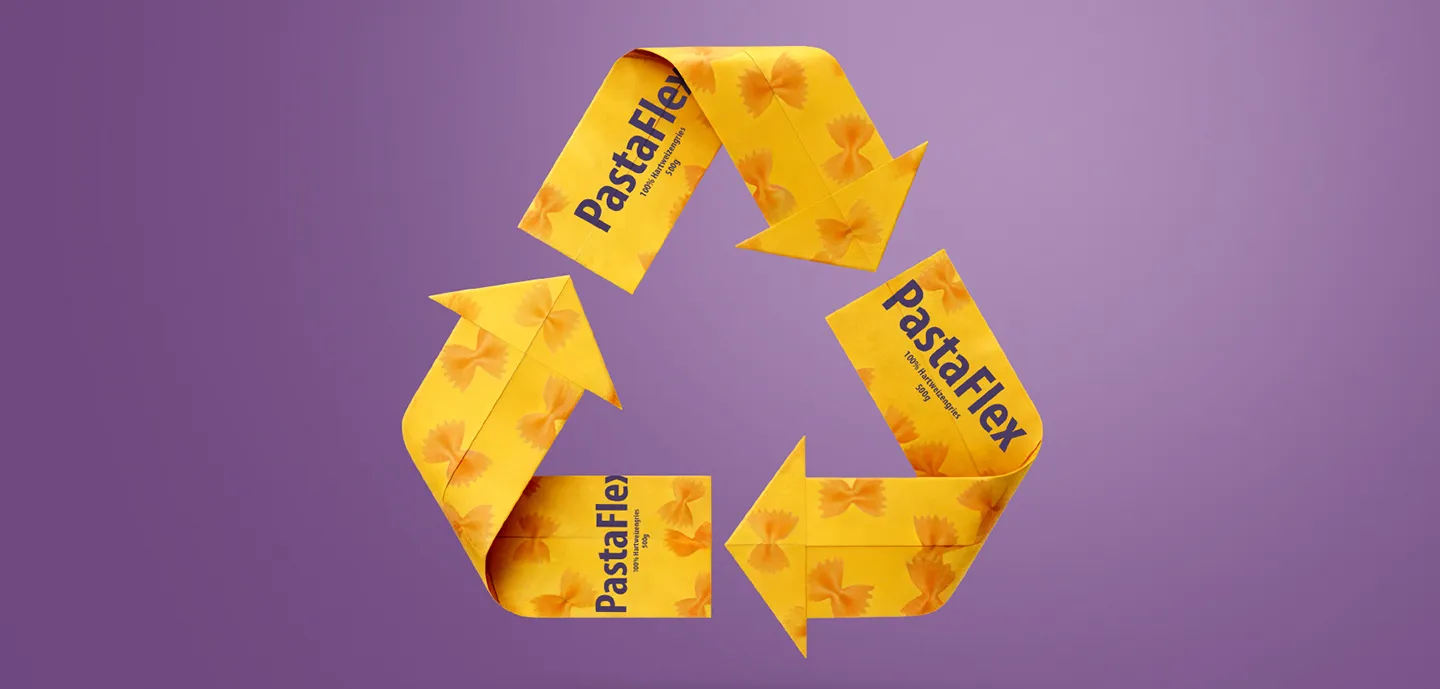
And of course the new material has to comply with all requirements that apply to food packaging: It consists of 100% virgin fiber pulp and is recyclable in accordance with the Packaging and Packaging Waste Regulation (PPWR). “The regu lations regarding recyclability are different in the US than in Europe,” explains Bettina Bastien, Brand Owner Manager / Business Development Flexible Packaging Paper at Koehler Paper. That is why we are all the more delighted that our high-quality Koehler NexPlus® Seal paper meets the recycling regulations of both continents. It is a challenge to obtain the same recycling certificates in Europe and the US because the processes are different.
Enthusiasm for innovation
Successfully completing these processes, as Bel and Koehler have done, is also an investment in the future for Desmonts: “A lot of plastic packaging is now recyclable. But: plastic is made from fossil fuels. Paper, on the other hand, is made from sustainable forestry, i.e. from renewable raw materials. I believe that consumers are increasingly preferring paper packaging, even though it is not easy to change habits. We want to support this development.”
According to Desmonts, this enthusiasm for transformation and innovation has characterized Bel since its founding. Not only did the company invent the wax-coated cheese in a small format, but also the aluminum-packaged cheese wedges. The Koehler Group has this spirit of innovation as well: “The power to innovate is crucially important these days. Manufacturers of flexible paper packaging with innovative barrier properties are under a great deal of time and performance pressure due to new EU regulations,” says Bastien.