Packaging Reimagined
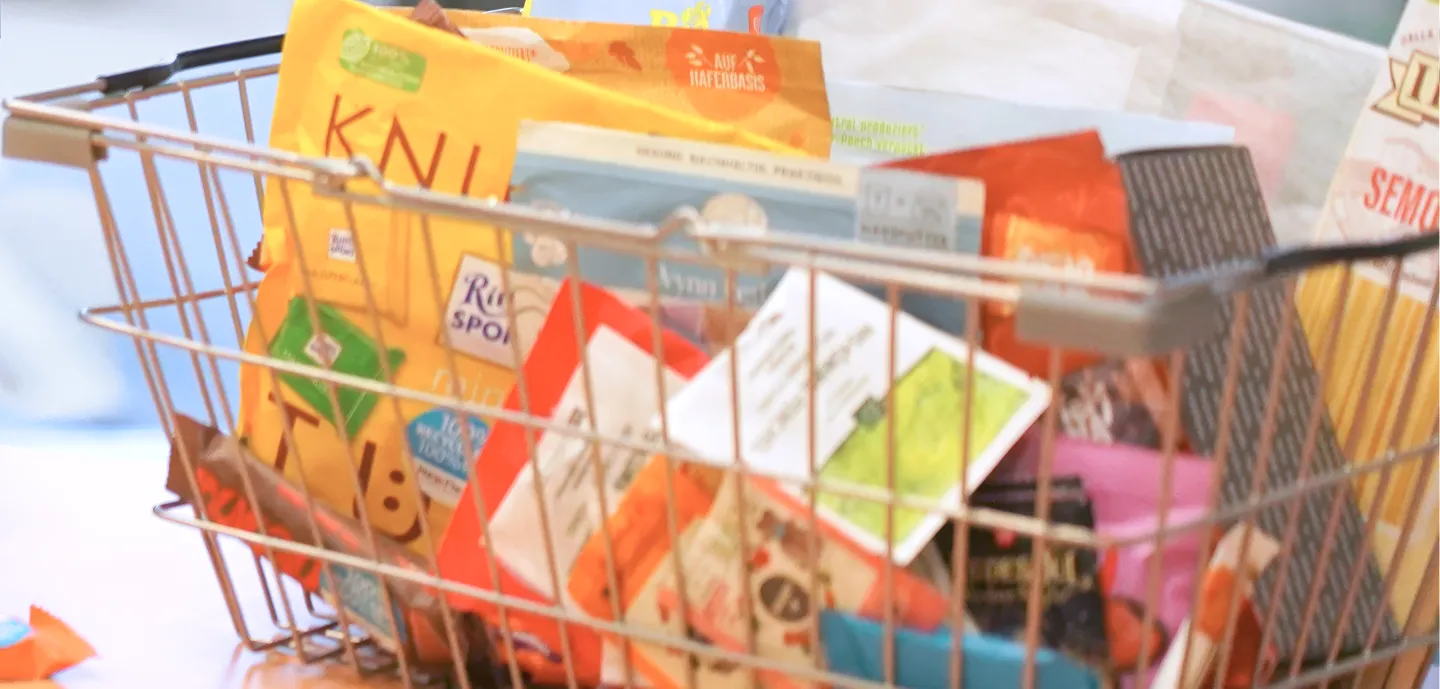
It’s Tuesday evening, a couple of minutes after 6:30. Robert carries his shopping basket as he rushes through the supermarket, well aware that he only has fifteen minutes to do all his shopping before picking up his daughter from training. It’s his usual routine. But something’s different today. Fancier. Better. Even though he’s done this exact run in this exact store countless times before. He pauses in the middle of the aisle, looks around, and suddenly realizes what has changed: Nearly everything used to be wrapped in plastic, and now many of the products on the shelves are packed in paper instead.
Koehler NexPlus® Tea Flavor
- High level of aroma protection
- Grease and mineral oil barriers
Tea
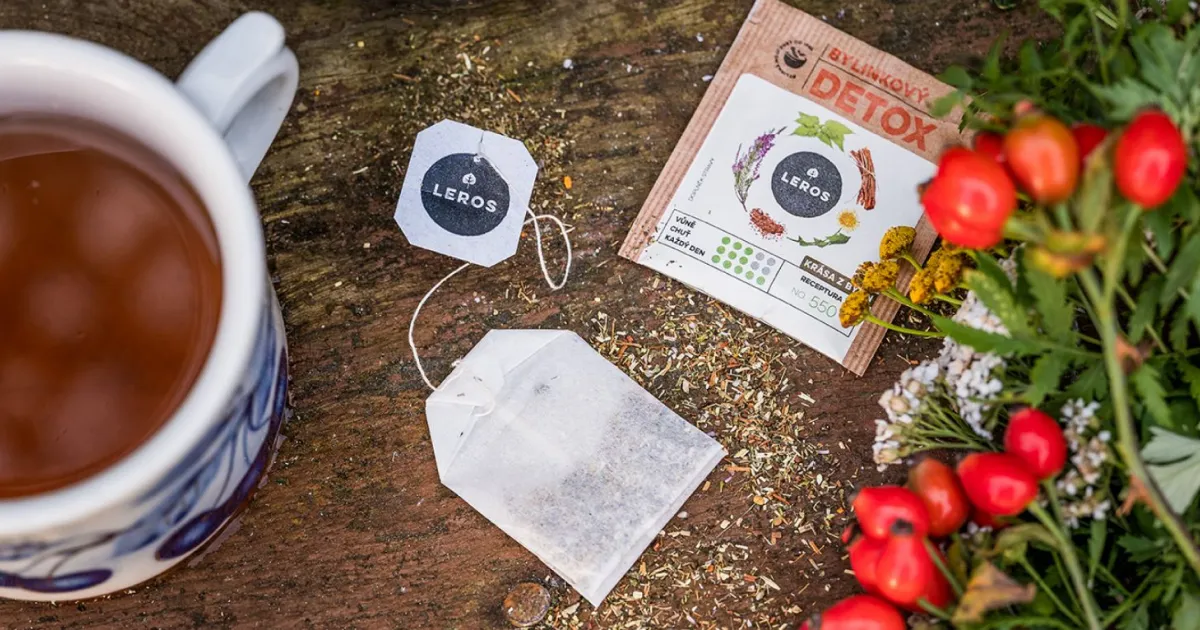
Once at home, Robert gets his favorite tea from the cabinet: “Glückstee,” with peppermint and lemon balm. It’s exquisite; a small bit of luxury in the middle of his daily grind. As soon as he touches that teabag, he cheers up. He loves how the company that makes it obviously put some thought into making the package look nice. And the teabag envelopes too. They show a fairy dancing with a bunch of four-leaf clovers in her hand. Gah, it’s the last bag in the package – shame. But hey, last one’s as good as the first. It’s actually funny, the envelope used to be made of plastic and it was a pain to get it to open. Now it’s made of paper. Elegant, but firm. And it opens cleanly. Robert throws it into the wastebasket for paper together with the box. Oh man, it’s convenient that he no longer has to worry about where to throw away what. And then comes that delicious scent of lemony mint from the teabag, just as if the herbs had been freshly picked a second ago. Thing is, the box had been in the cabinet for months. Huh. That envelope must be pretty airtight. Robert pours his tea into a cup, takes his first sip, and makes a note: “Buy some more of that magical tea.”
Pasta
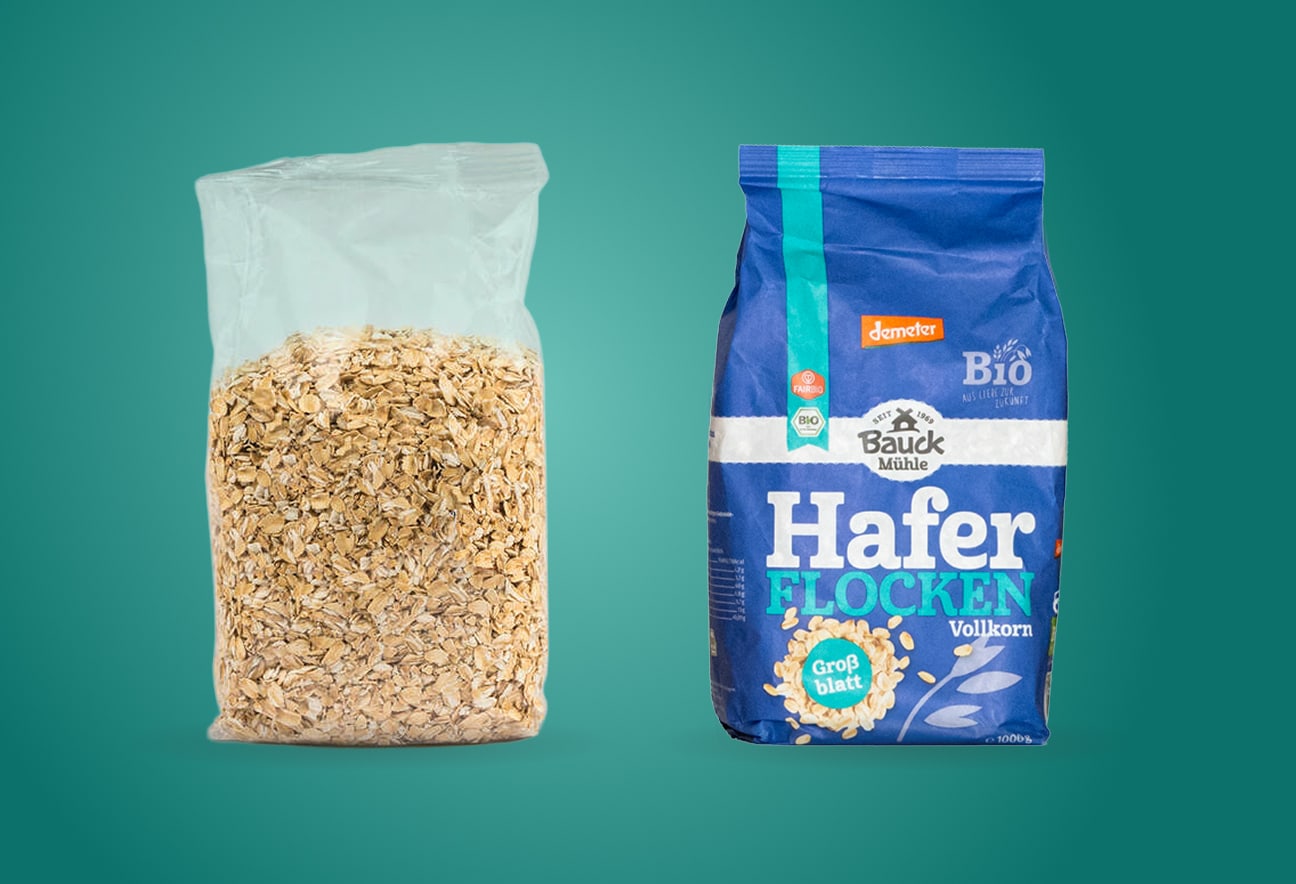
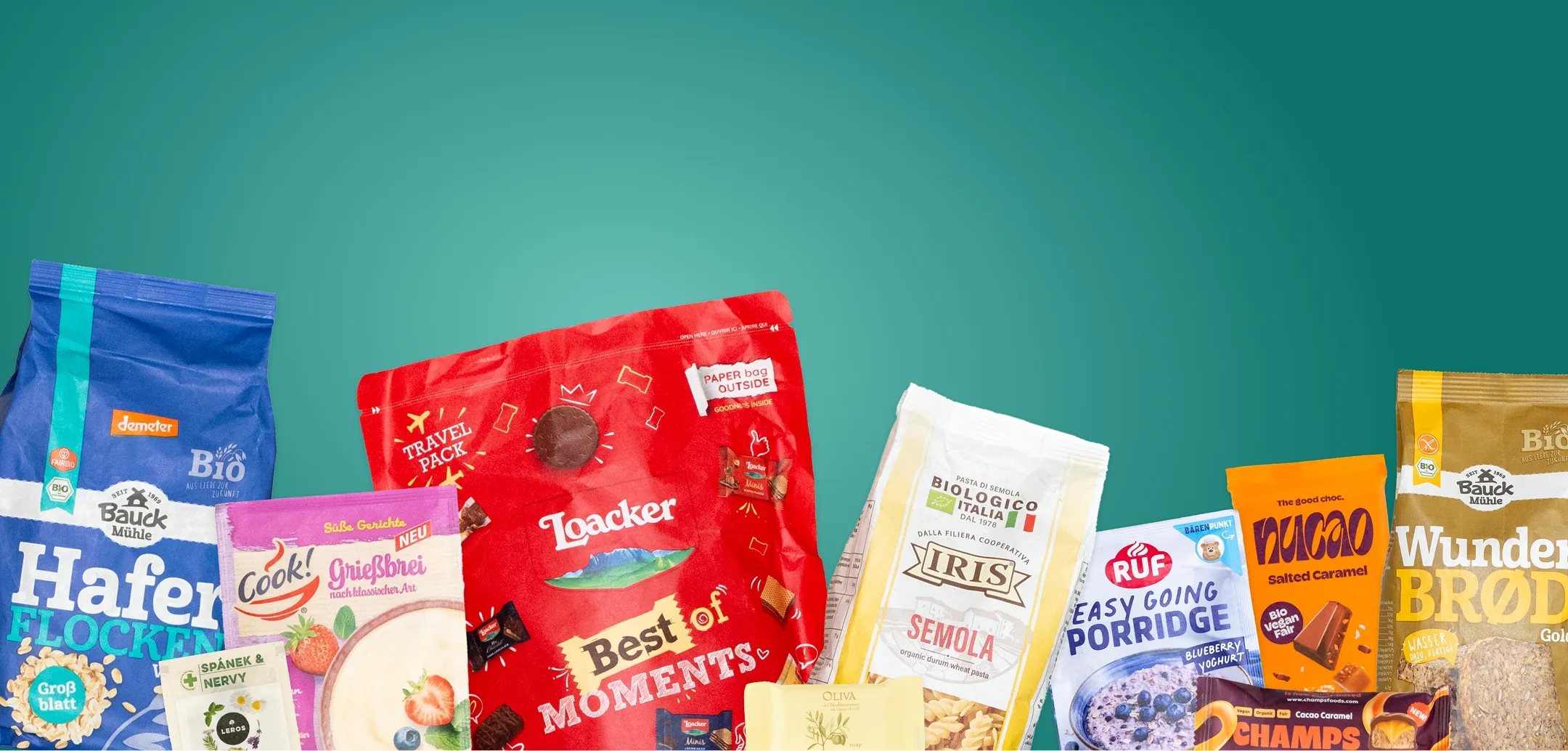
Every time she’s done with her training, Robert’s daughter Paula says she’s starving. And it’s true. So Robert gets out some pasta to make her favorite: penne with pesto. And once again, the package is made of paper. It feels nice. Kind of like if it were handmade – like if the pasta came from a small shop. The producer’s obviously using the package for marketing purposes. And to great effect too – no wonder they decided on flexible packaging paper. This reduces the fees that the producer has to pay for the collection and recycling of packaging waste.
Robert tears the bag open and pours half the pasta into boiling water. Then he rolls up the bag, folds it, and puts it away. No adhesive tape, no clip to hold it together. Then he suddenly realizes: How much pasta has gone wasted before because he didn’t feel like looking for scissors to cut the plastic bag open properly? How many times did he have to sweep it off the floor? And boom, here we are. Replace plastic with paper and you no longer have to worry about having to clean a mess after ripping the bag open.
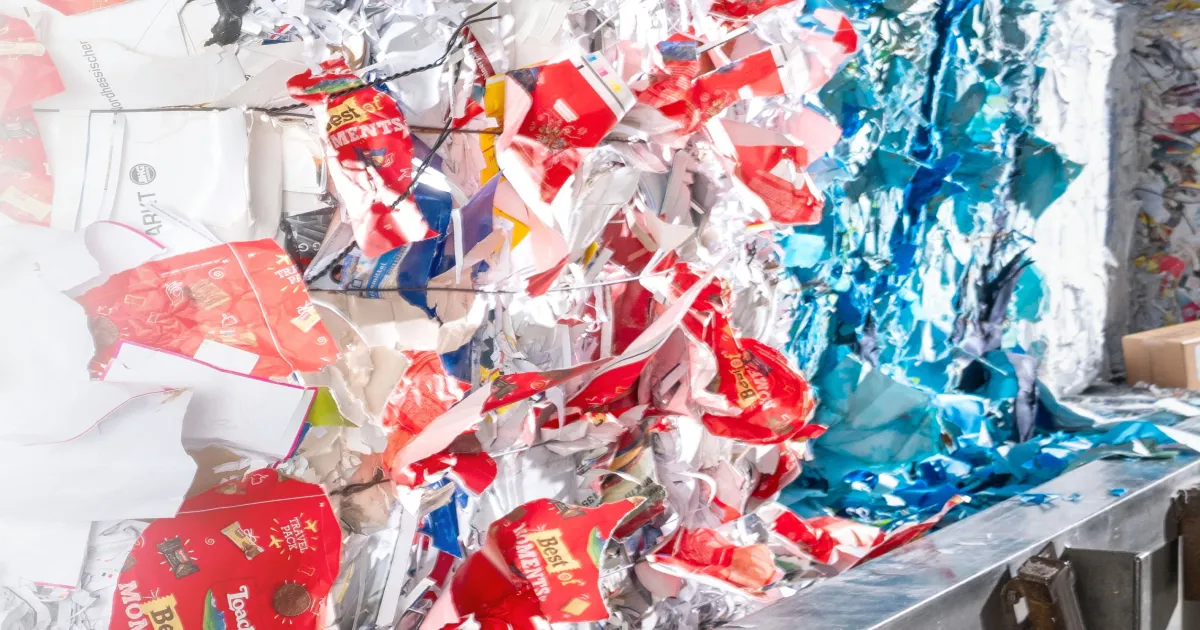
Really something how such a tiny change can make things so much better. And that paper bag? It’s not just more convenient. It’s also more sustainable, since the paper fibers can be reused time and time again. Sure, in theory that’s possible with plastic too, but he’d heard somewhere that the German Environment Agency said only 15% of plastic recyclate gets used again. It’s a happy moment for Robert. He’s just realized that he can make his own small contribution to the circular economy with the usual dinner.
Koehler NexPlus® Seal MOB
- Mineral oil barriers
- Heat-sealable
Koehler NexPlus® Advanced
- Oxygen, mineral oil, grease, and moisture barriers
Chocolate
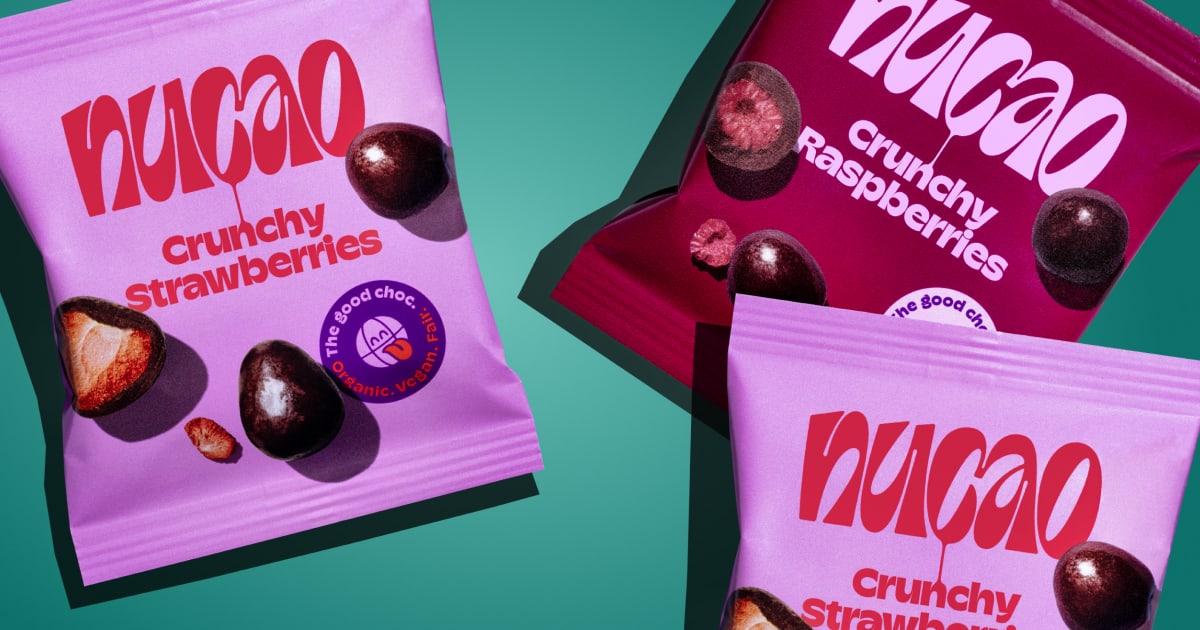
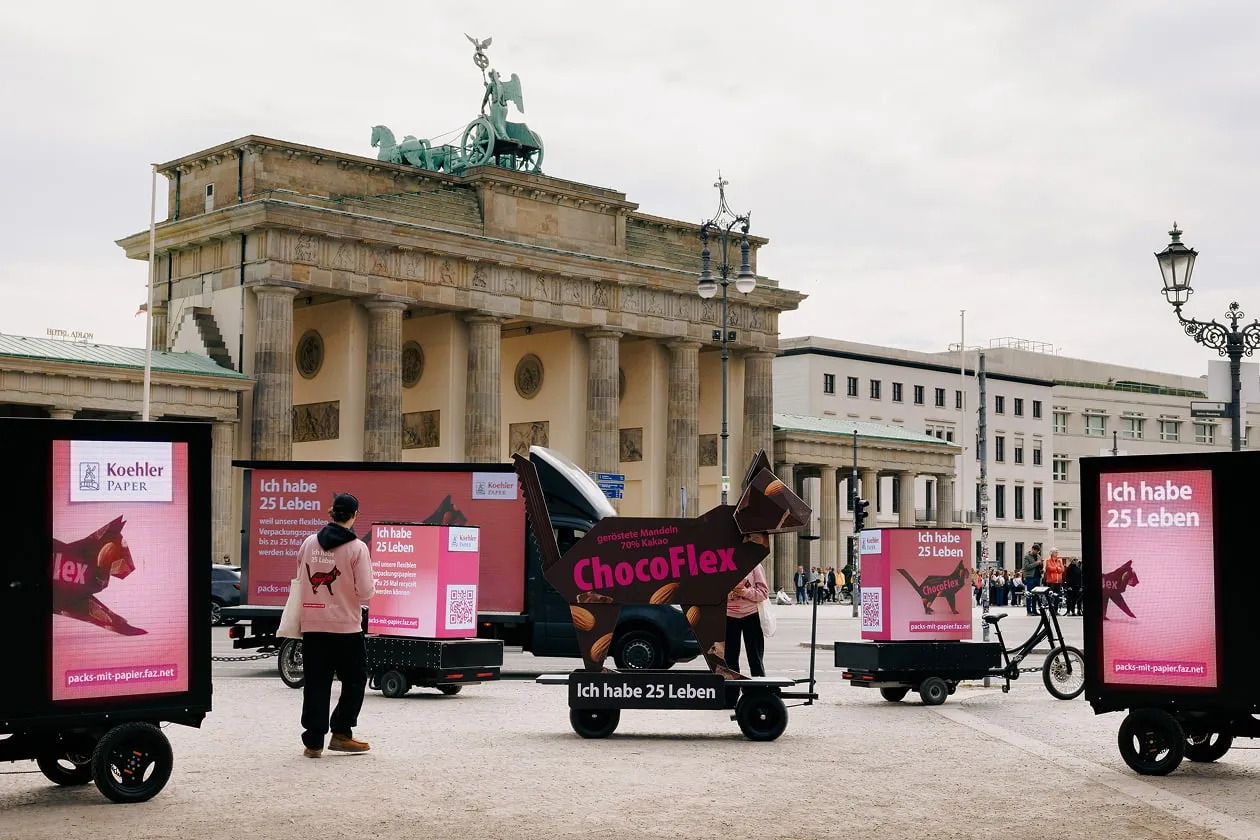
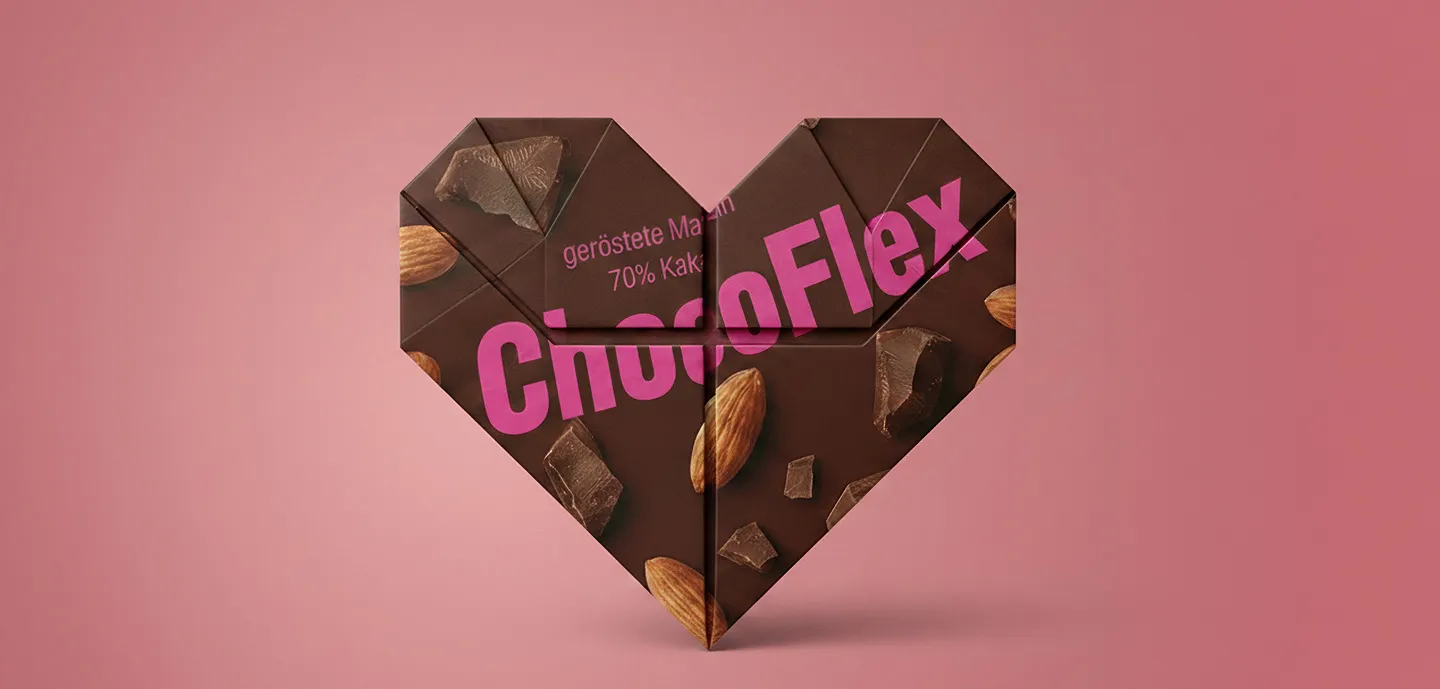
Paula is just nine years old, but she’s a veritable chocolate connoisseur. So the change in her dessert doesn’t escape her powers of perception. Her favorite chocolate is now in a paper wrapper – the real thing, not just some plastic film with a matte finish. The colors are bright and bold. Paula tears the paper open and inquisitively gives her chocolate bar a big bite. “Tastes the same,” she expertly decrees with the serious expression of a candy scholar. Then, after a short pause: “But the wrapper looks way cooler!”
There is, however, one fact that Paula doesn’t know and Robert does: 43% of consumers prefer paper packaging, and only a mere 23% would rather have plastic. Not to mention that the new packaging for her favorite chocolate results in around 50% less CO2 than the old plastic wrapper. It’s not like Robert keeps these statistics in a compartment in the back of his brain, however: He’d read it on the back of the wrapper when buying the chocolate bar and decided right then and there that chocolate combined with a clear conscience – that is a pretty good offer.
Toothbrush
The biggest sense of relief, however, comes at night on the way to bed. Paula’s old toothbrush has had it, and the new one is on the edge of the sink. In the old days (meaning the last time she got a new toothbrush), it would have been time for the age-old ritual: Robert would have turned the blister pack around, looked for an opening only to find none, gone to get some scissors, cut the plastic open, possibly cutting his finger in the process, separated the plastic from the cardboard, thrown both into different bins, and then wondered if the tiny plastic bit really belonged in the plastic recycling bin. Instead of all that, he gets an elegant solution this time around: a paper bag. Knowing that she can do it all on her own, she opens it up with a satisfying “rrrrrip” and throws the bag into the wastepaper basket. No cutting. No sorting. No pondering. No grumbling from Robert while looking for a Band-Aid either. And since the toothbrush is actually made of bamboo, we all get what marketing experts would call a cohesive sustainability narrative – with the packaging and content telling the same story: Buying a toothbrush no longer means having to contribute to a pile of waste that will still be around 400 years from now.
Robert smiles. He knows it’s a small thing. And yet, it isn’t.
Koehler NexPlus® Seal Coat
- Heat-sealable
- Extraordinary printability
- Runs great on packaging machines
What Is Changing – And Why It Counts
What Robert and Paula just experienced is more than just a mere design change. It is a promise that is finally being kept: packaging that works as well as its plastic predecessors – or even better. That is easy to open and close again, that feels warm and solid, and that can be thrown away with wastepaper with a clear conscience so that it will be recycled.
Koehler is developing flexible packaging paper grades that do this and more in the form of its NexFlex® range of products. And it is worth pointing out that these products are in no way a compromise, but a genuine, full-fledged alternative instead – for tea, candy, dry and greasy food, and personal care products. At the end of the day, this means less frustration in consumers’ daily lives combined with a clear conscience when shopping, all thanks to lower CO2emissions than plastic and being able to easily and affordably contribute to a circular economy.
A genuine opportunity opens up for brands and manufacturers by letting them position themselves as sustainable pioneers in segments in which plastic used to seem like the only option. And with a material that consumers already prefer today – not to mention one that is becoming increasingly important and advantageous as a result of new regulatory frameworks.