Paper closes the loop
Packaging makes many promises: recyclable, circular, eco-friendly – the sheer variety of labels is confusing. But a promise only counts when it is kept. This is exactly where paper and plastic part ways.
In 2024, more than 70 percent of all plastic waste in Europe ended up in landfills, in the environment or in incineration plants. For paper packaging, it was the other way round: more than 80 percent made it back into the loop. The difference isn't down to good intentions – it comes down to infrastructure. For decades, mature and optimized recycling facilities have been available for paper.
The winner: barrier paper
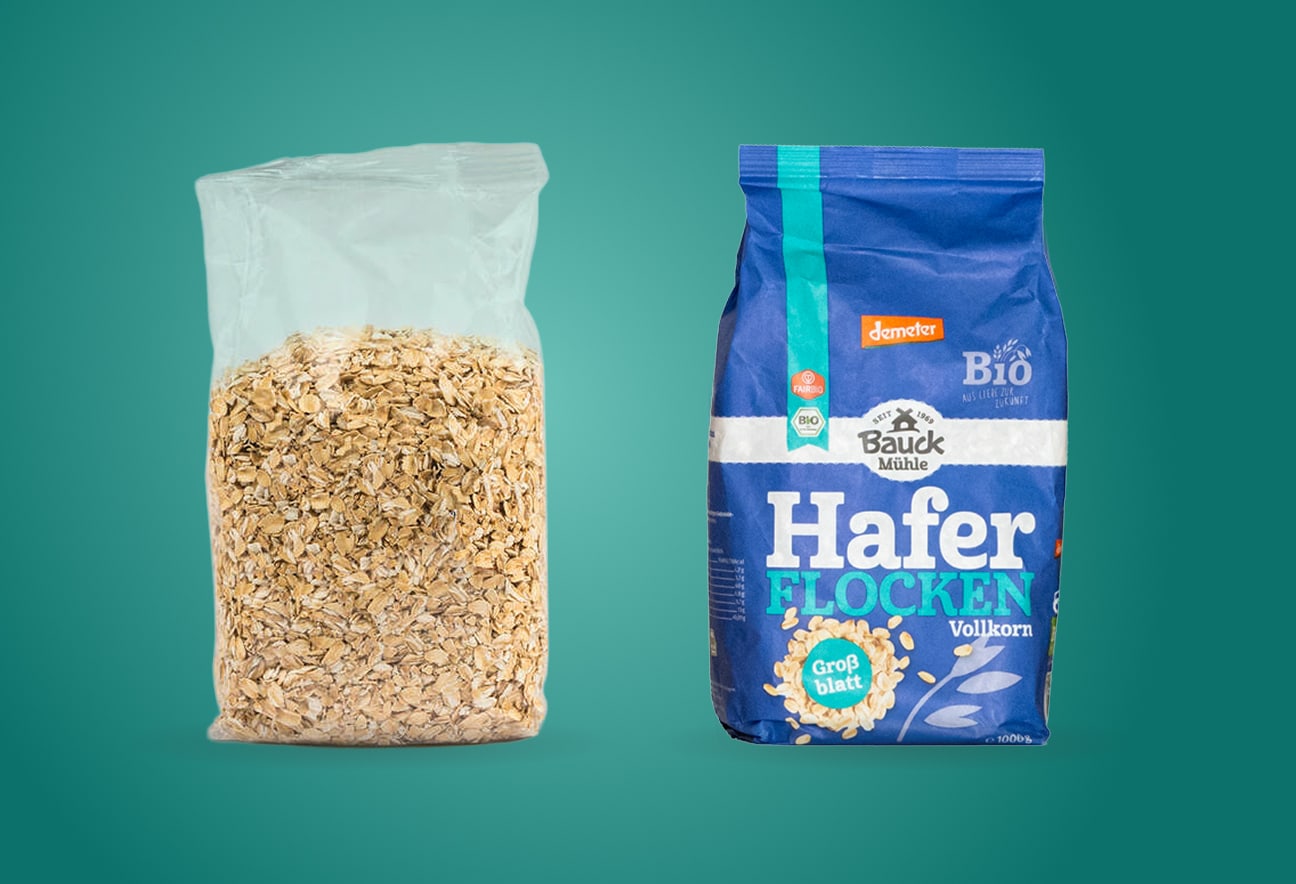
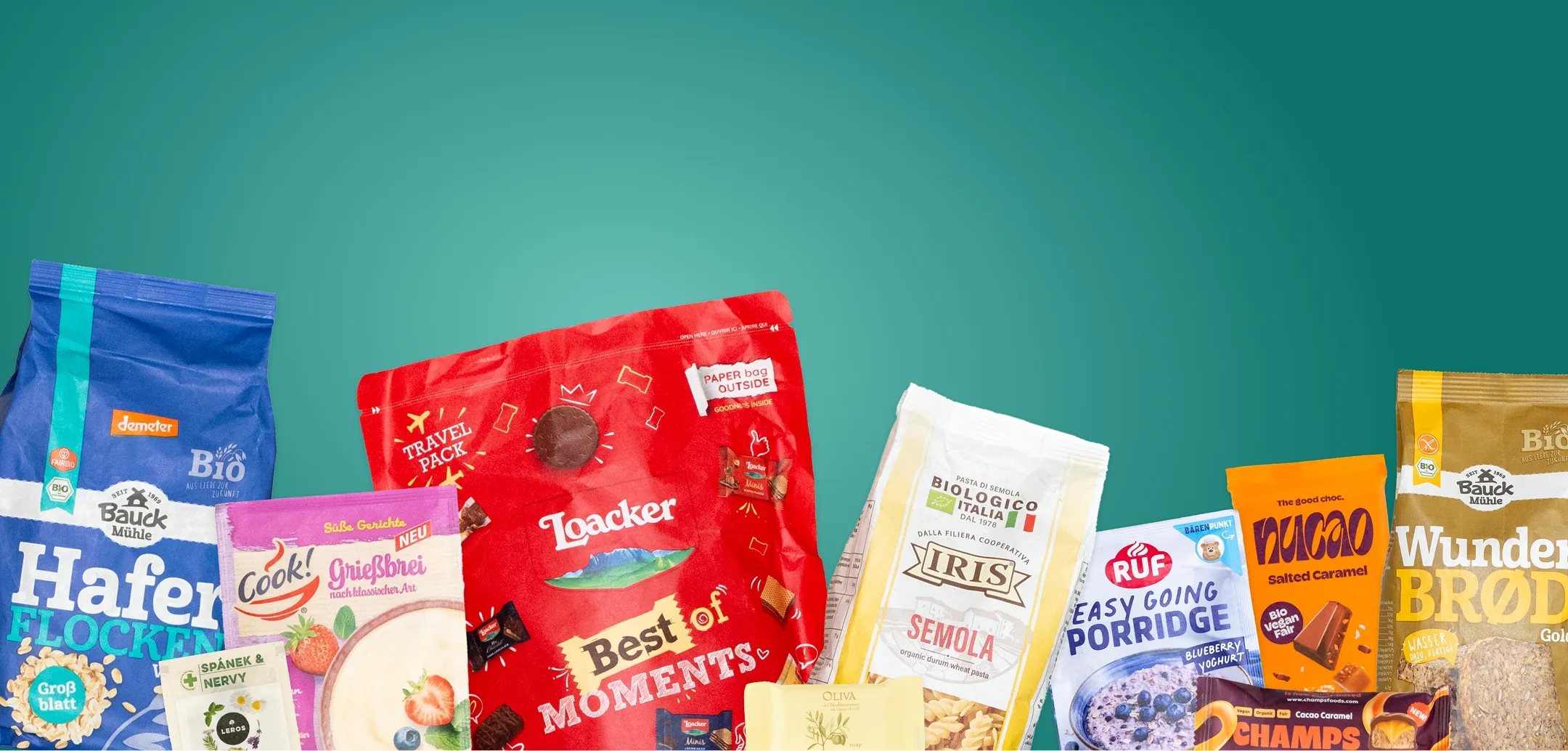
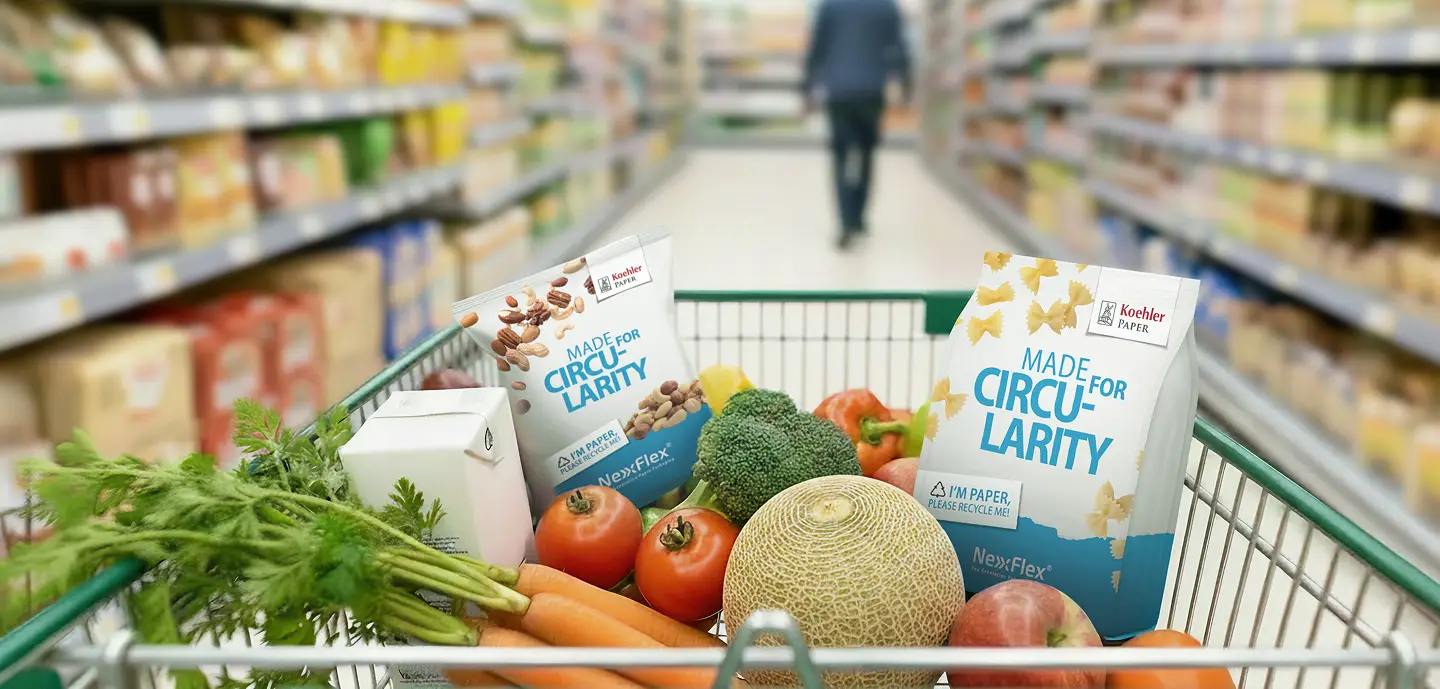
The standard waste paper process determines whether a material is truly recyclable under the Packaging and Packaging Waste Regulation (PPWR). A test using two pasta packaging types makes this tangible. With the composite material made of kraft paper and polypropylene film, 36 percent of the material is sorted out and has to be discarded. With barrier paper, that figure is just under seven percent. In other words: 93 percent recyclability in a conventional recycling plant and classification as recycling grade B.
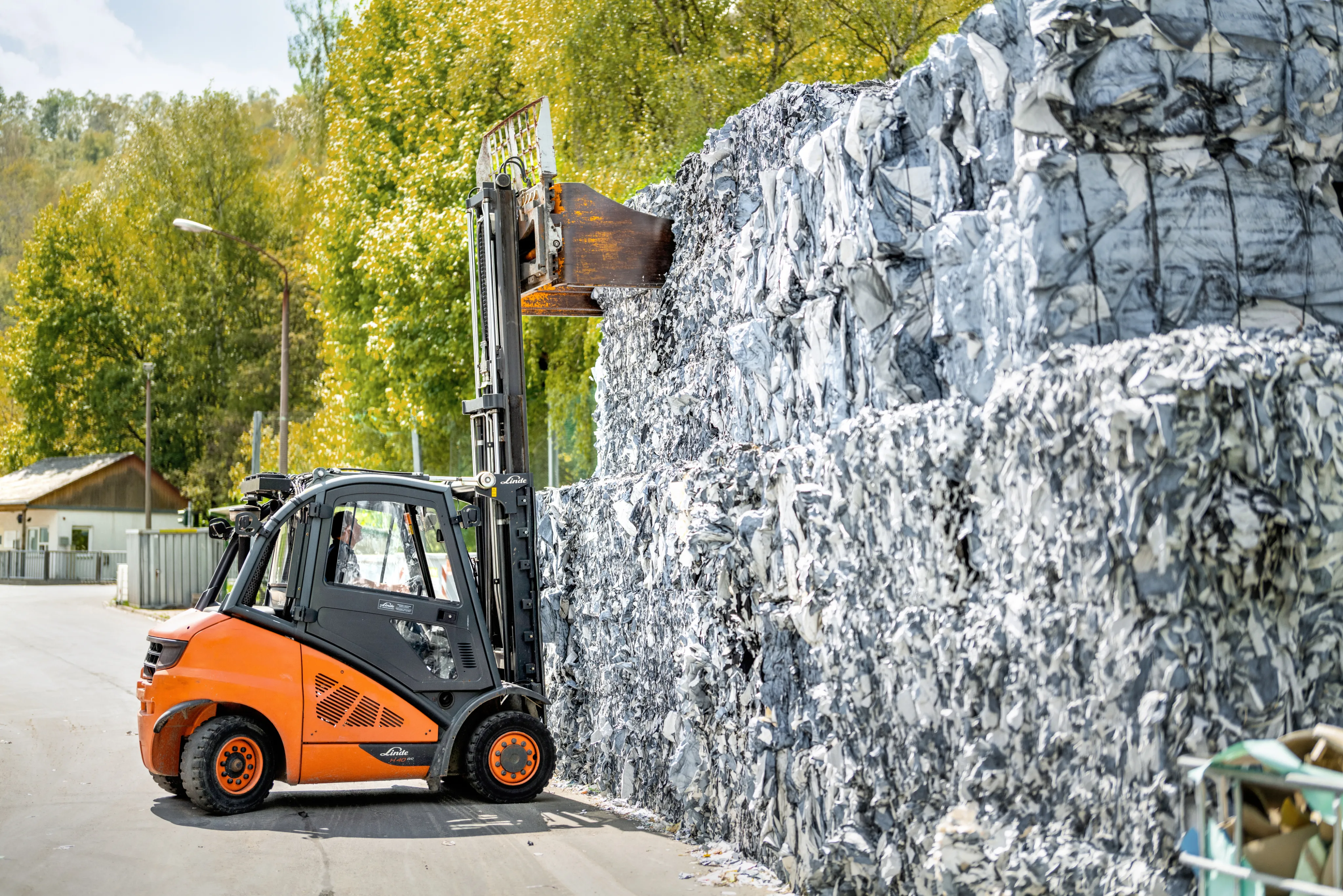
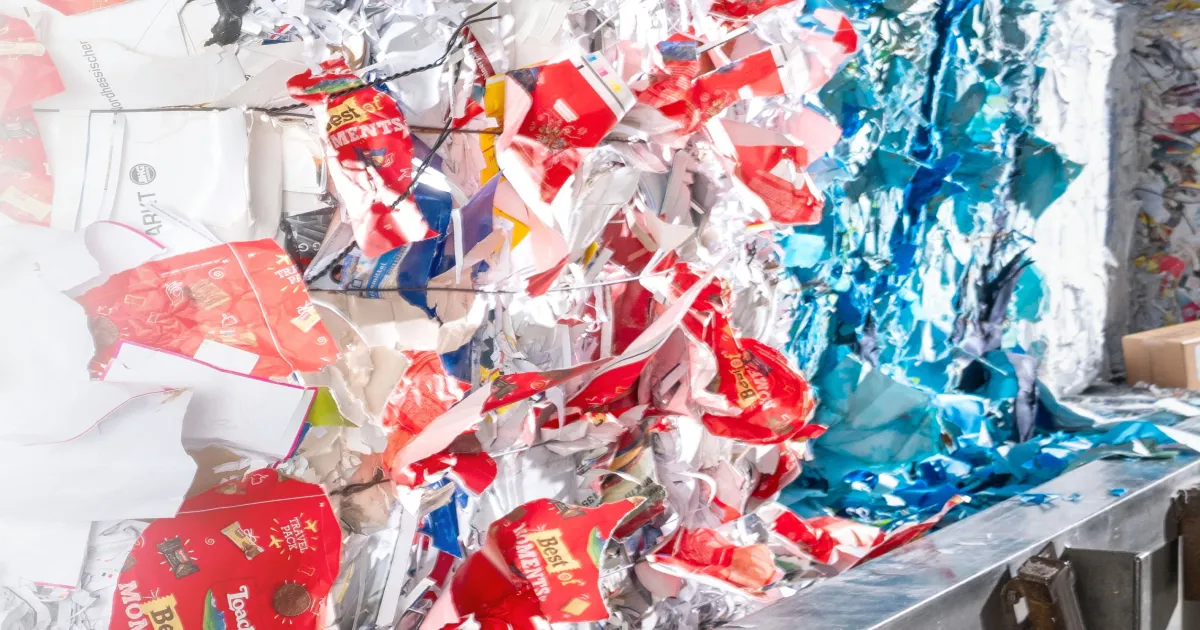
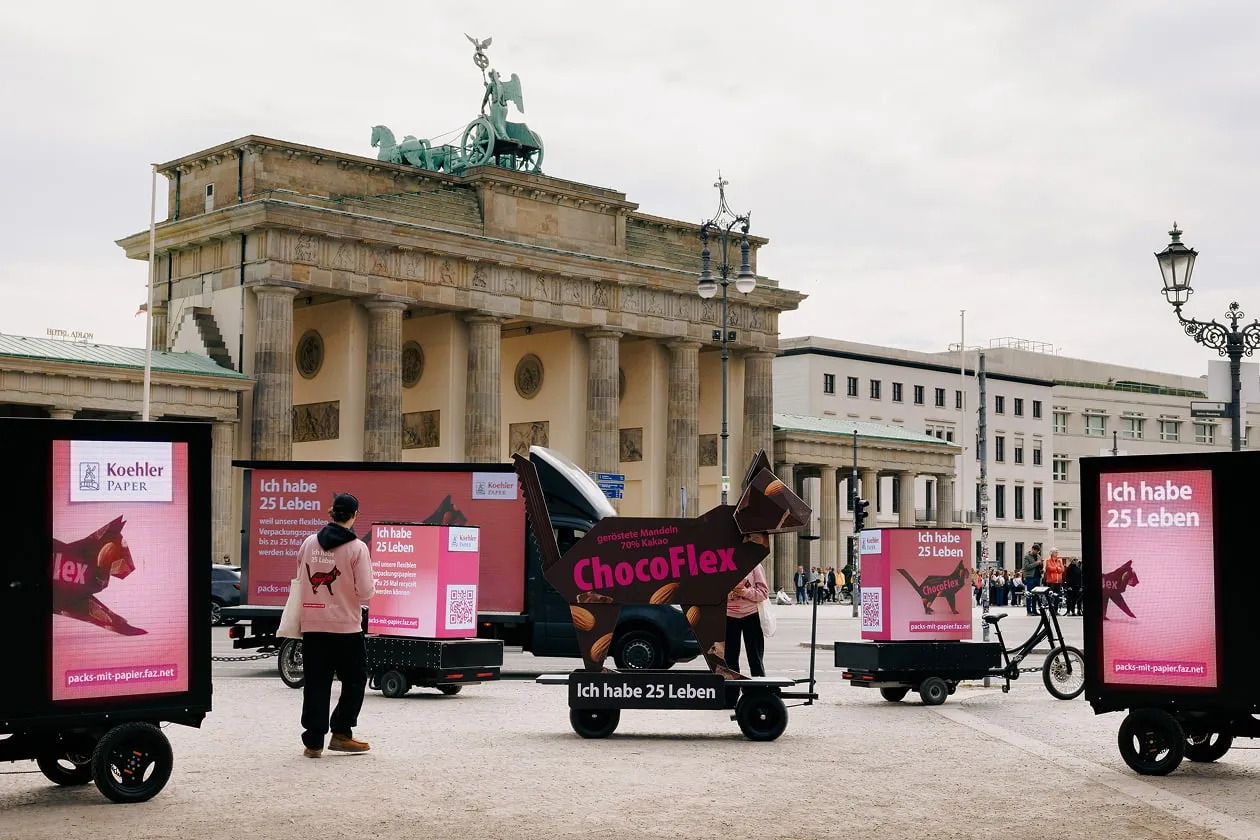
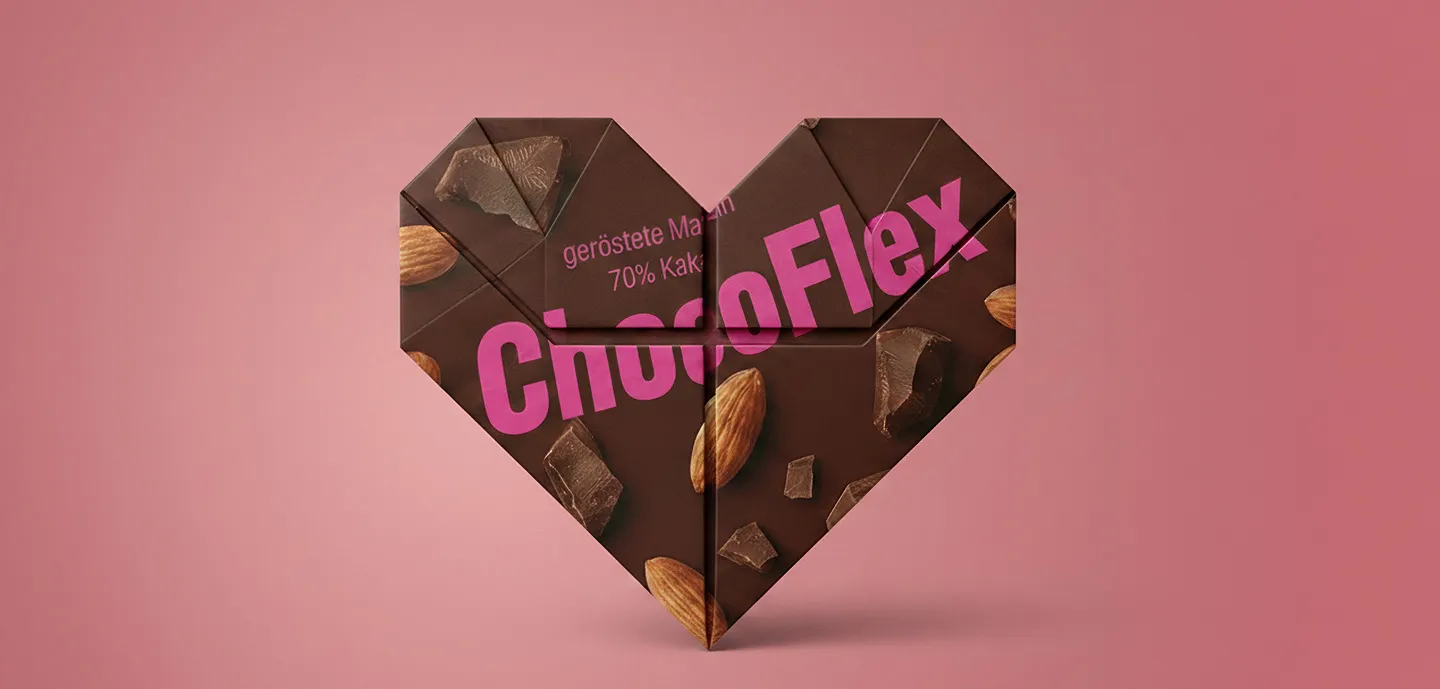
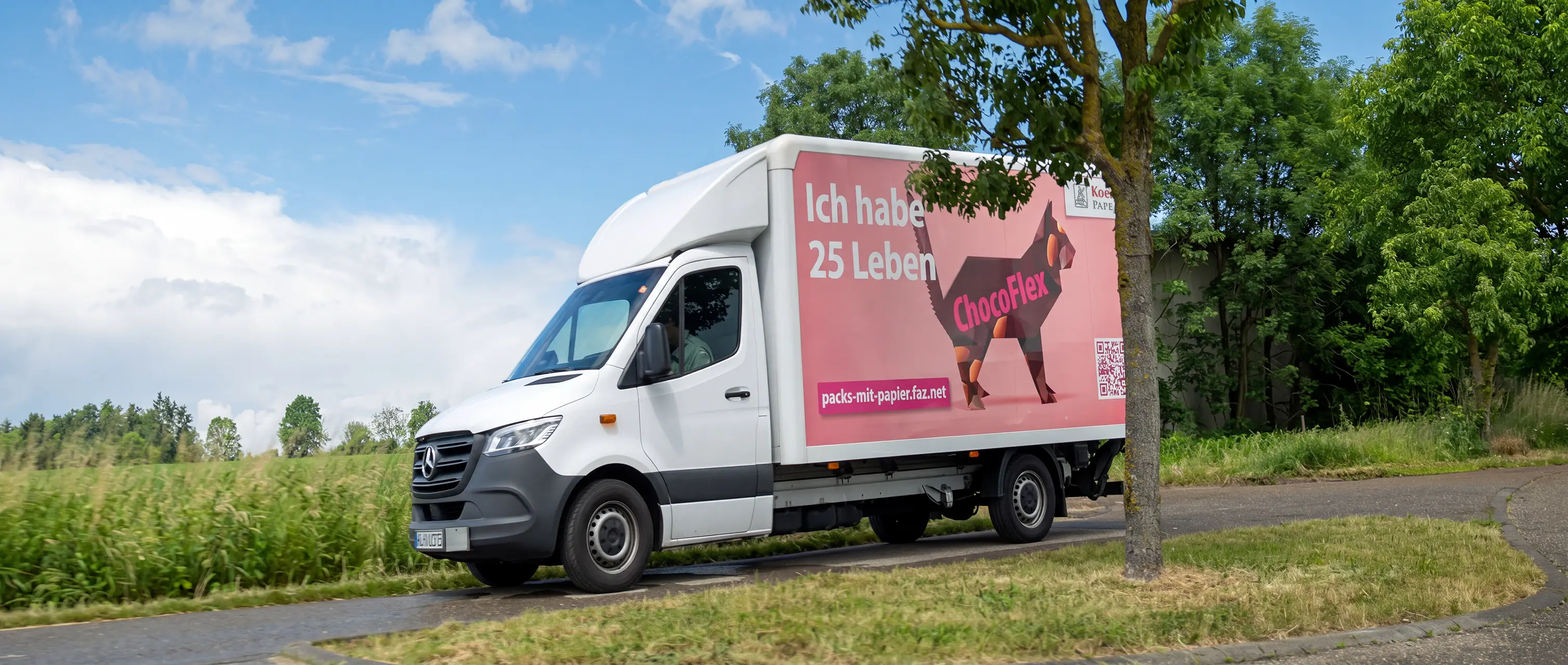
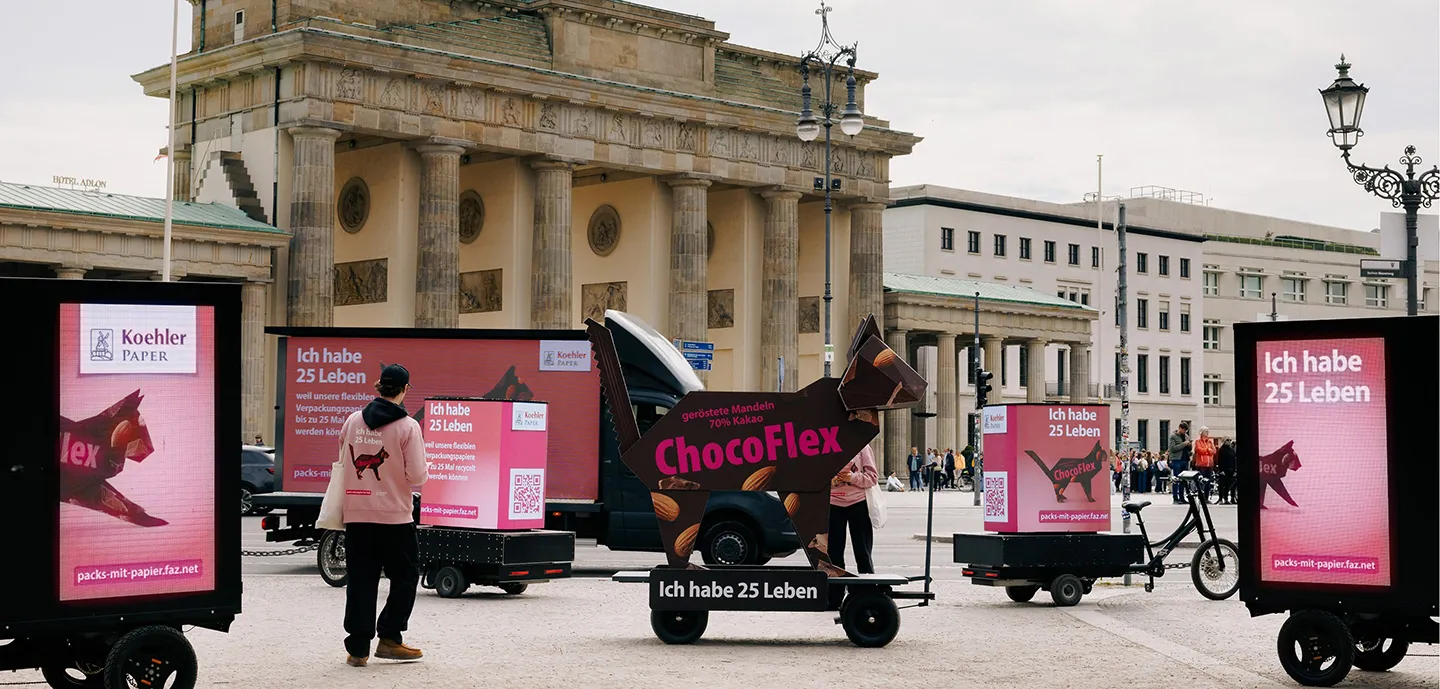
Used paper is a valuable raw material and can be used up to 25 times
2024
recycling rate
- Quelle: European Paper Recycling Council 2026
- Quelle: Plastics Europe 2026
White Paper on recyclability
The white paper "Paper closes the loop" shows exactly how the test works, what PPWR grade A through D mean, and which questions brand owners should be asking themselves right now.