Over-engineered? Why less barrier can be more
For years, packaging meant maximum barrier, maximum protection. With its modular barrier papers, Koehler Paper demonstrates how tailored barrier solutions can effectively combine product protection, recyclability, and material efficiency.
Does every package really need maximum barrier performance? Not necessarily. Traditionally, complex plastic laminates have been designed to meet as many requirements as possible within a single structure. Yet not every product requires the same level of protection, and over-specified barrier systems can unnecessarily increase material use, add complexity and reduce recyclability.
Modular instead of maximum
With Koehler NexPlus® barrier papers, Koehler Paper takes a different approach: packaging is tailored specifically to the requirements of the respective product. Instead of combining as many functions as possible into a single solution, only the barriers that are actually needed are used.
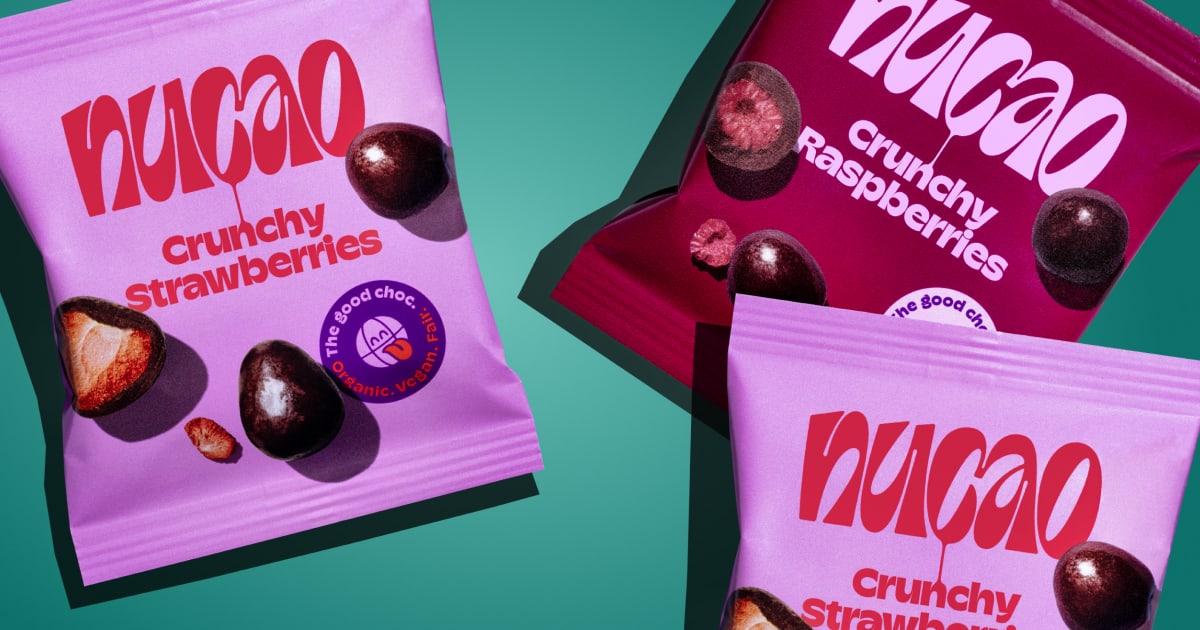
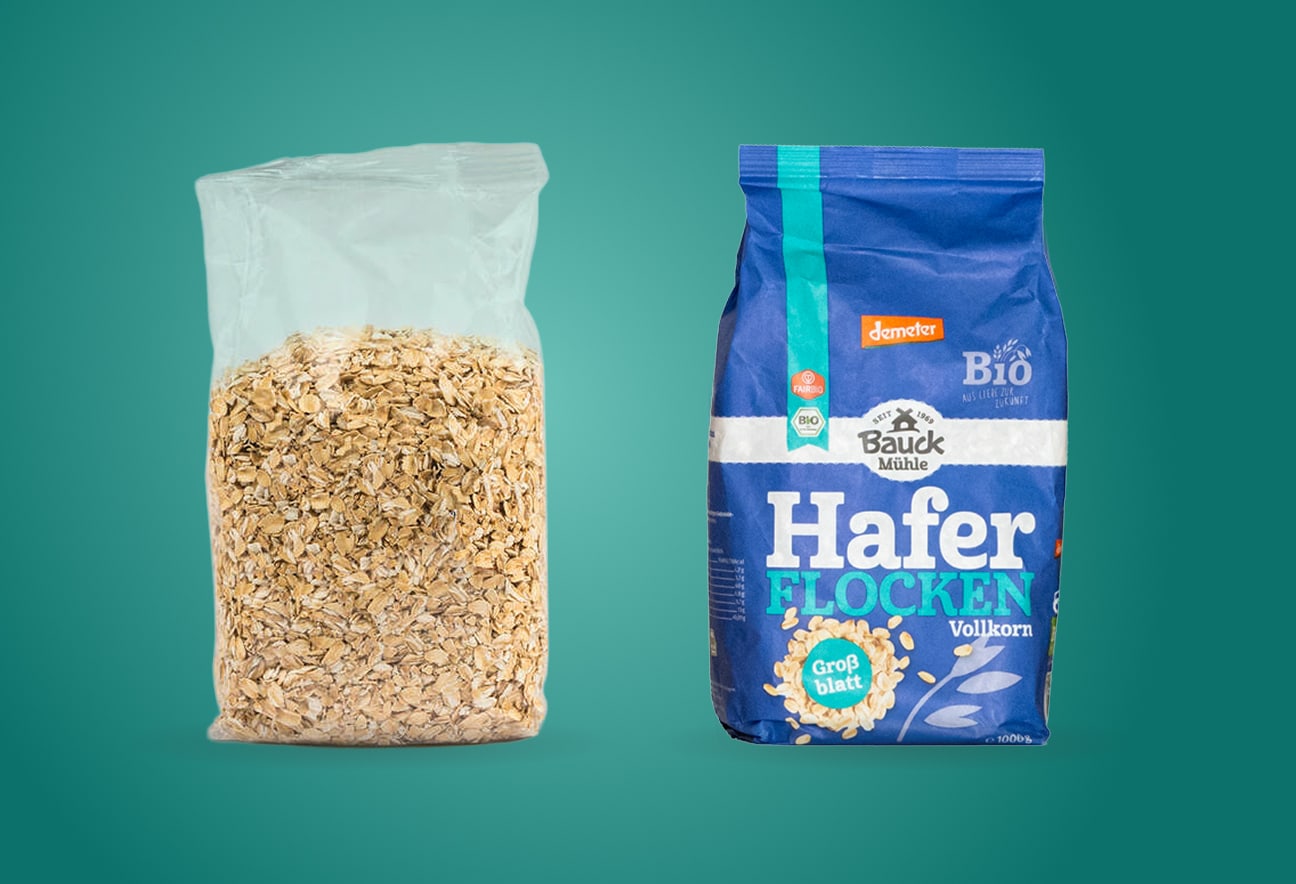
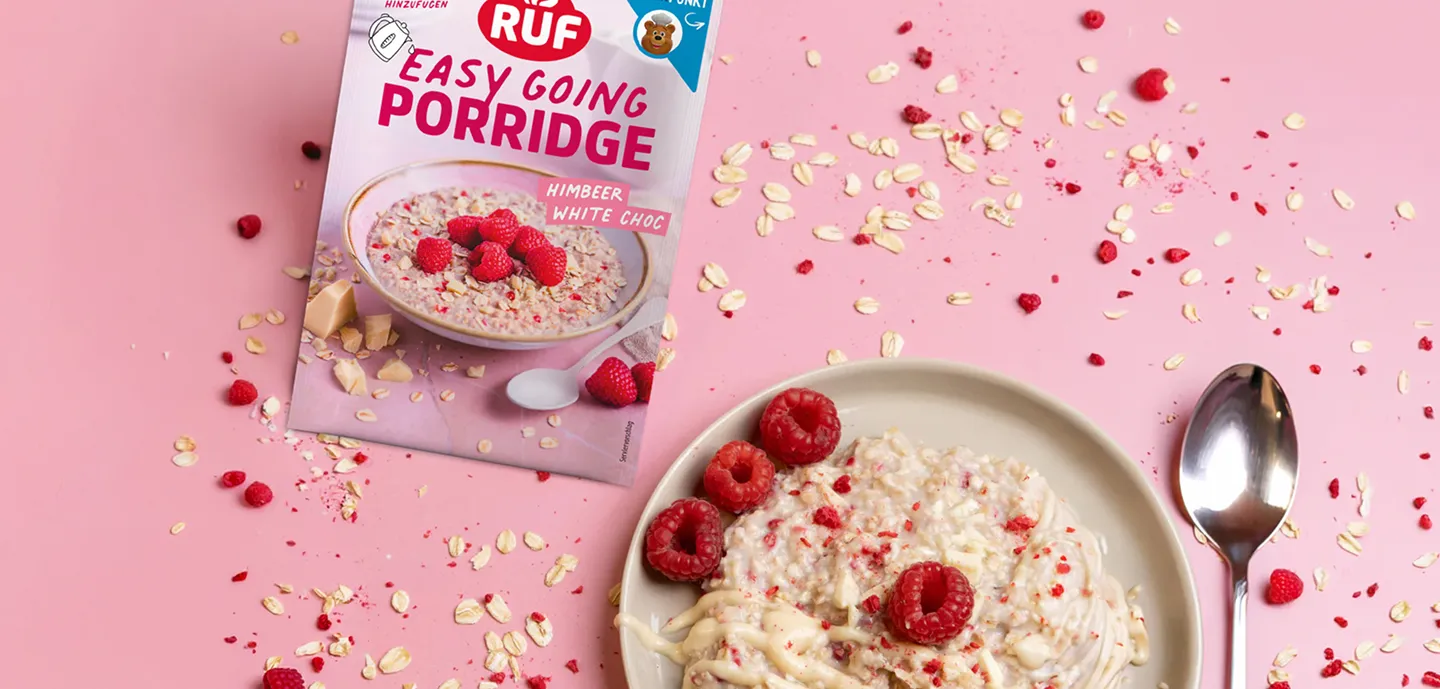
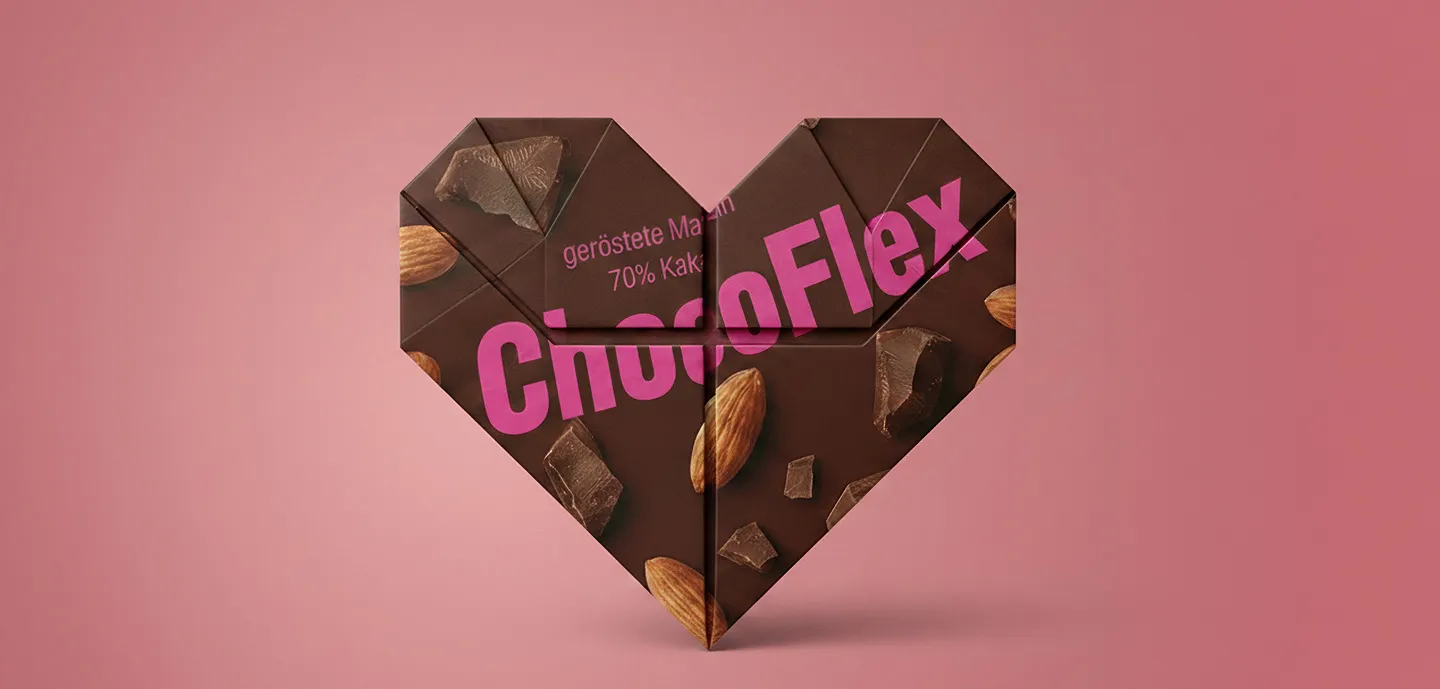
After all, every application has different requirements: dry foods primarily need protection against mineral oil, while for snacks the focus is on the water vapour barrier. Chocolate or nuts, in turn, have to be protected from oxygen and grease.
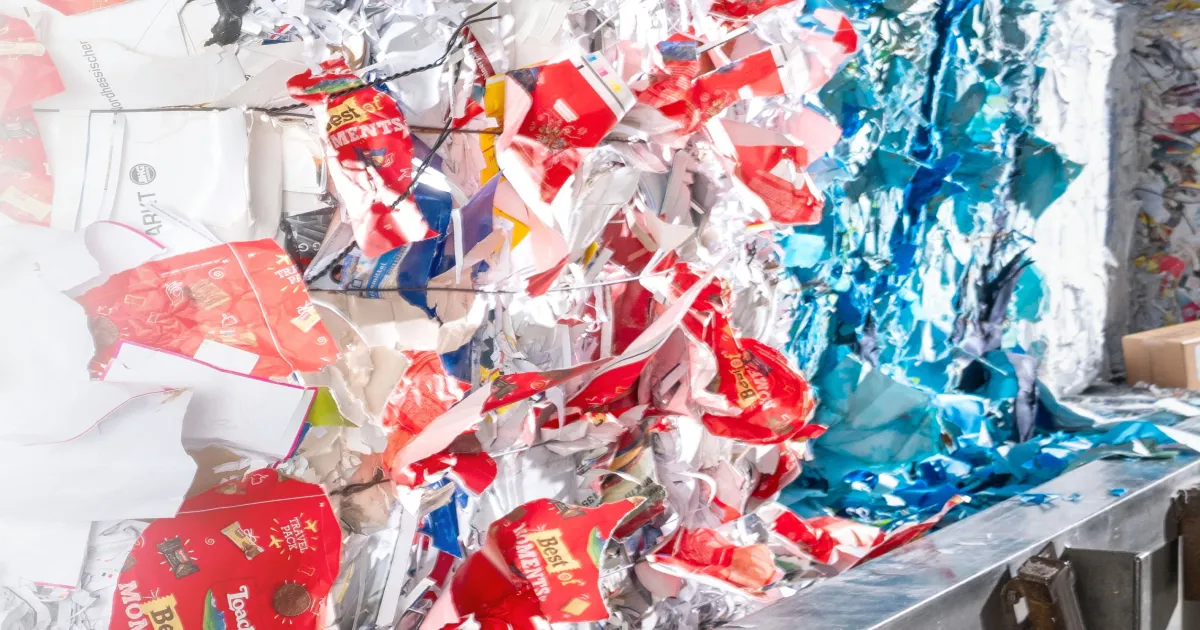
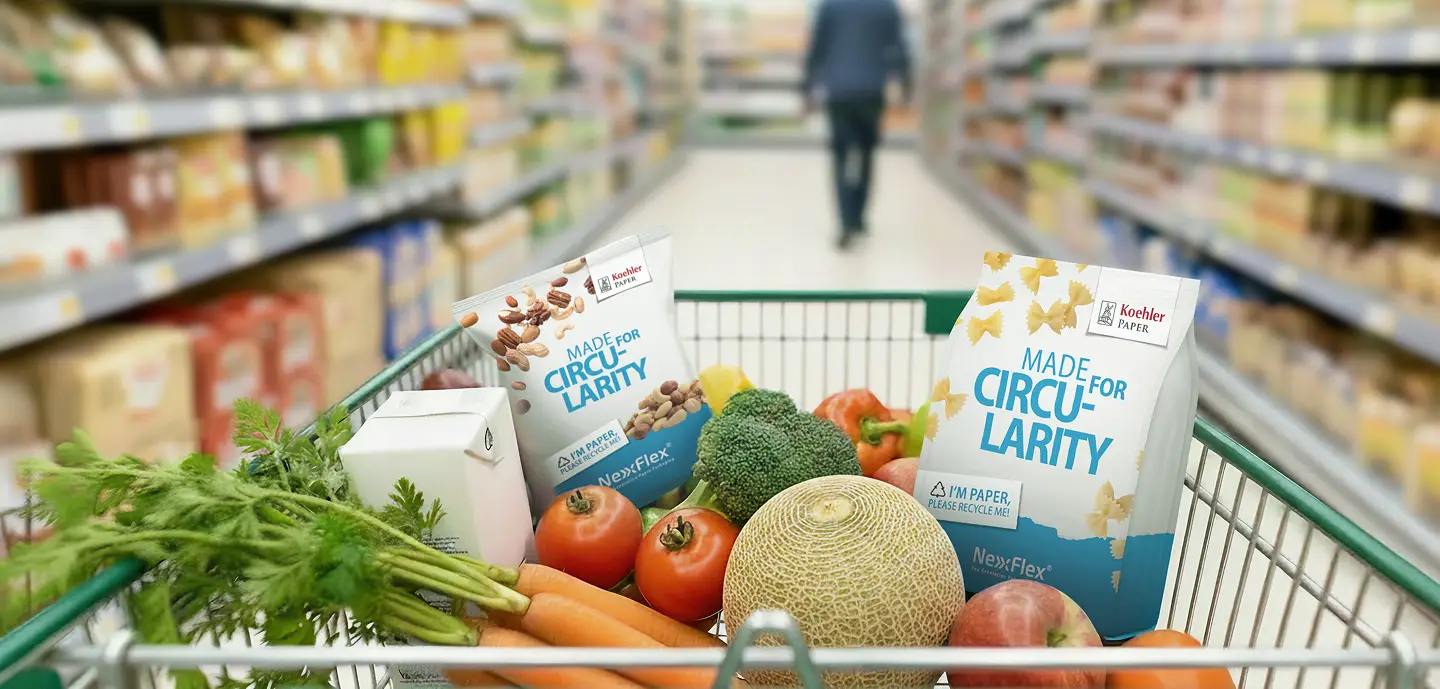
The functional surfaces of Koehler NexPlus® papers enable exactly this product-specific protection. At the same time, the packaging papers remain recyclable in established paper recycling systems and, thanks to integrated heat-sealability, can be processed on existing equipment.
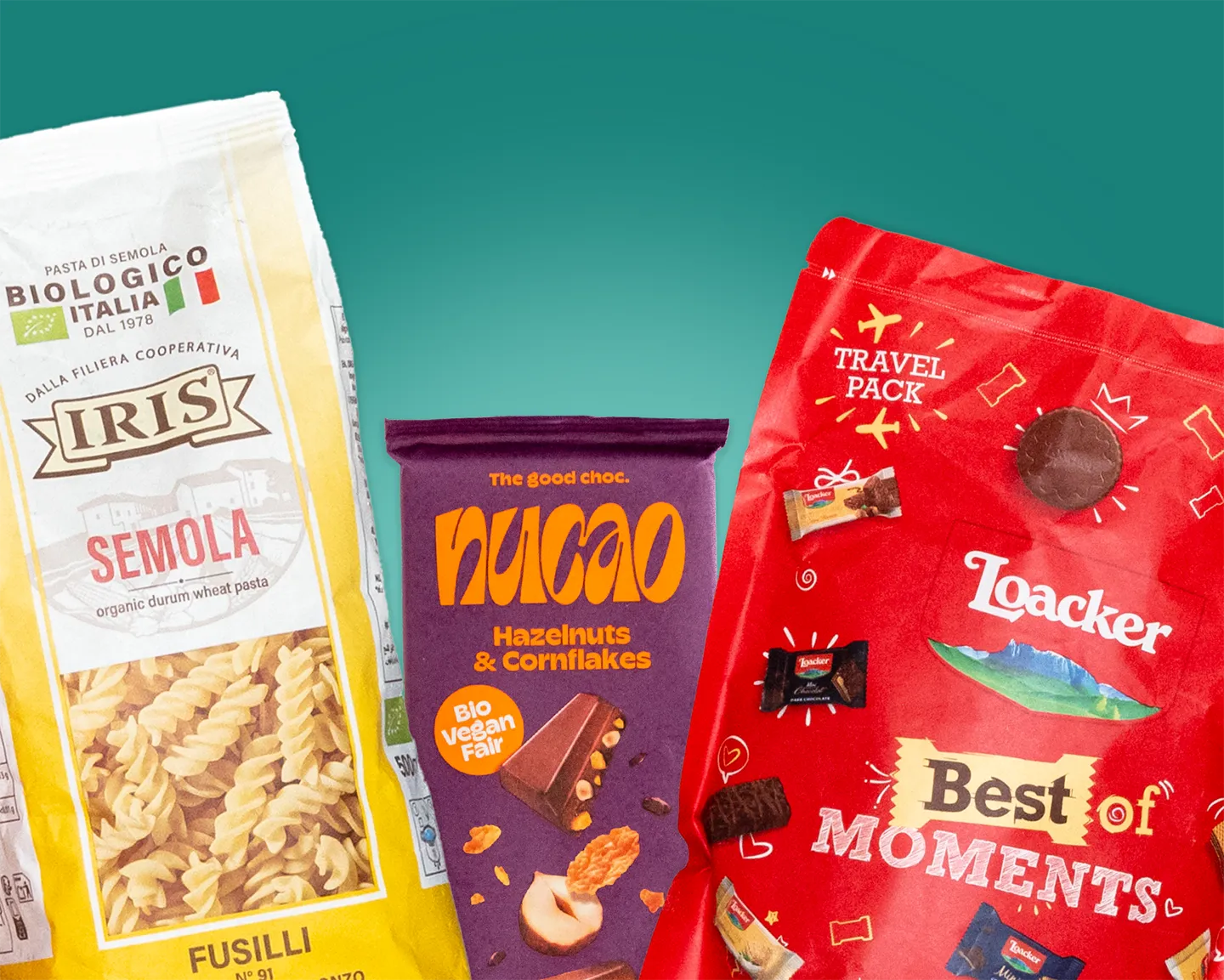
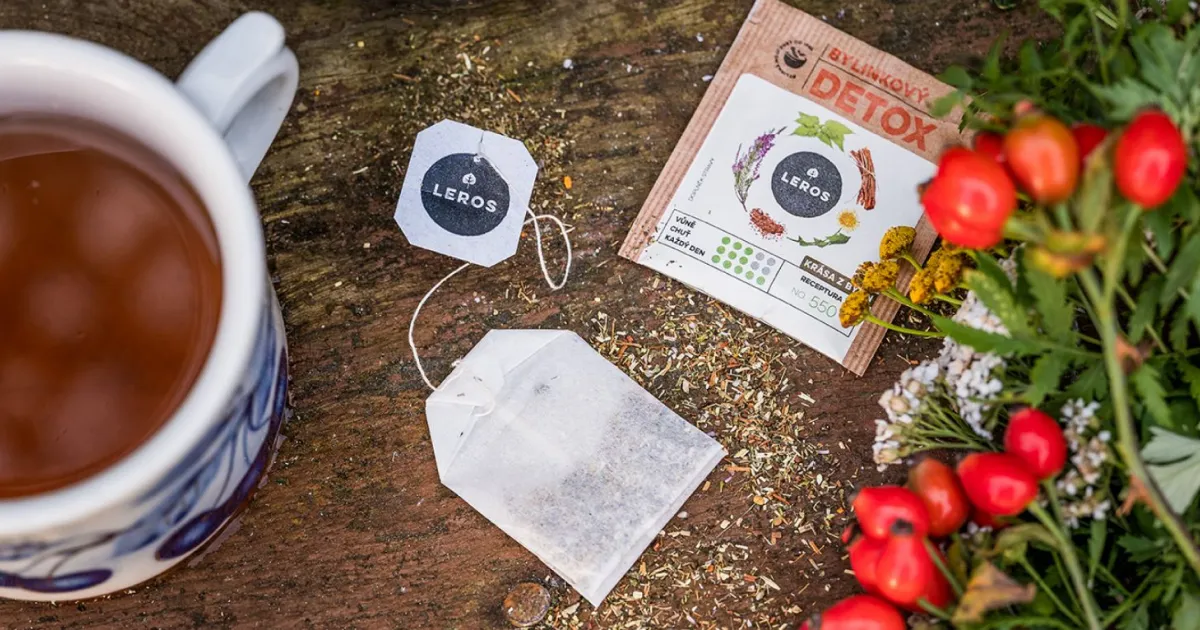
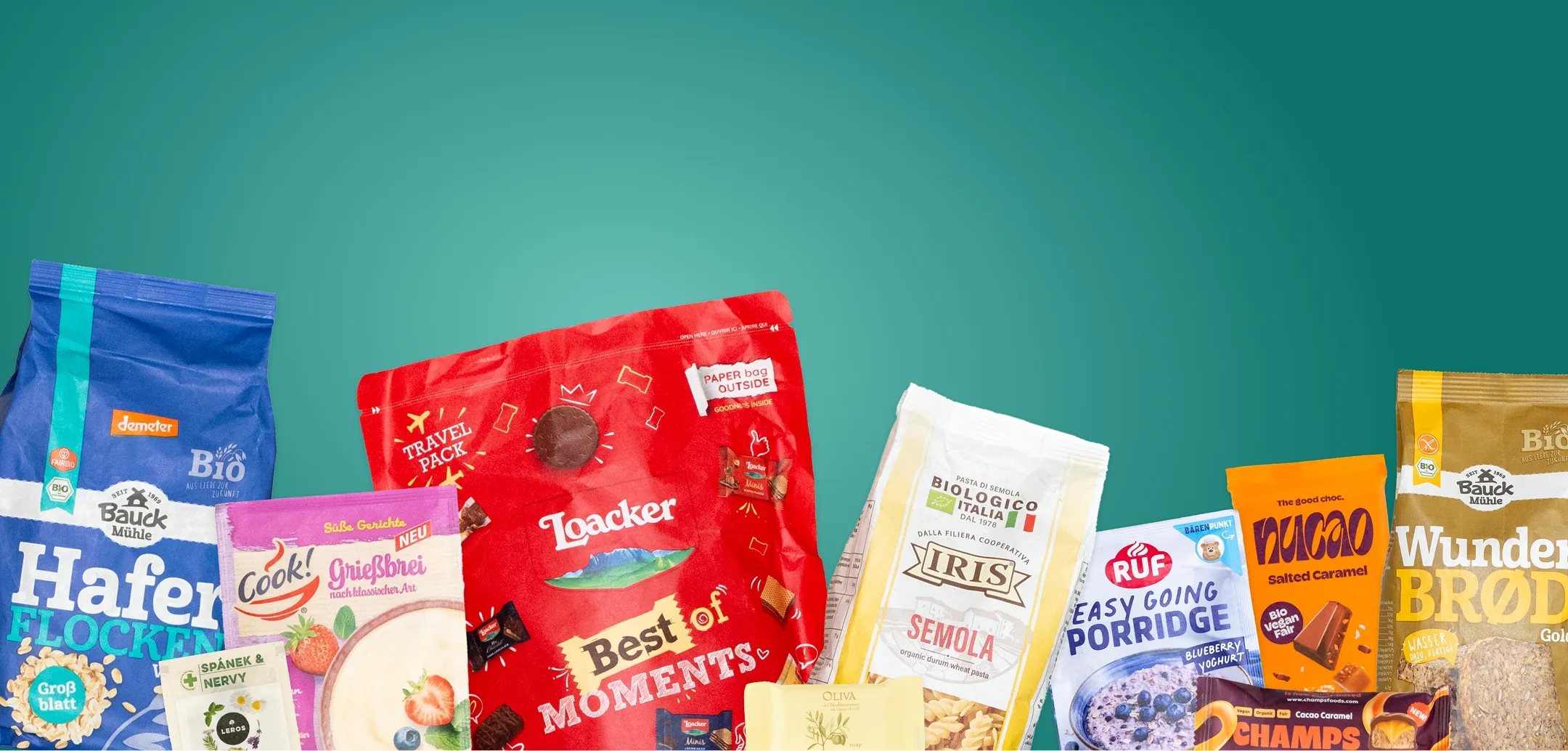
Visual and functional variety: every product has its very own packaging requirements.
Quiz
Do you know the right barriers?