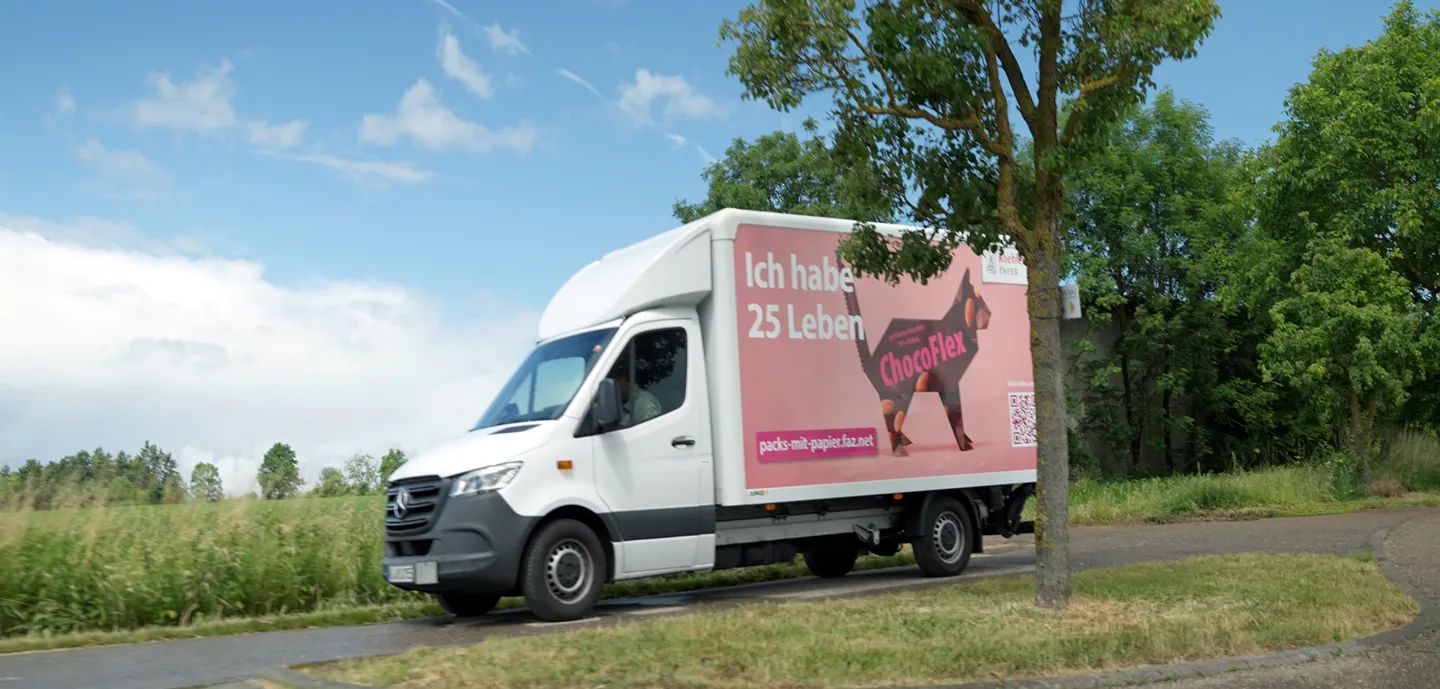
On Tour with the Koehler Cat
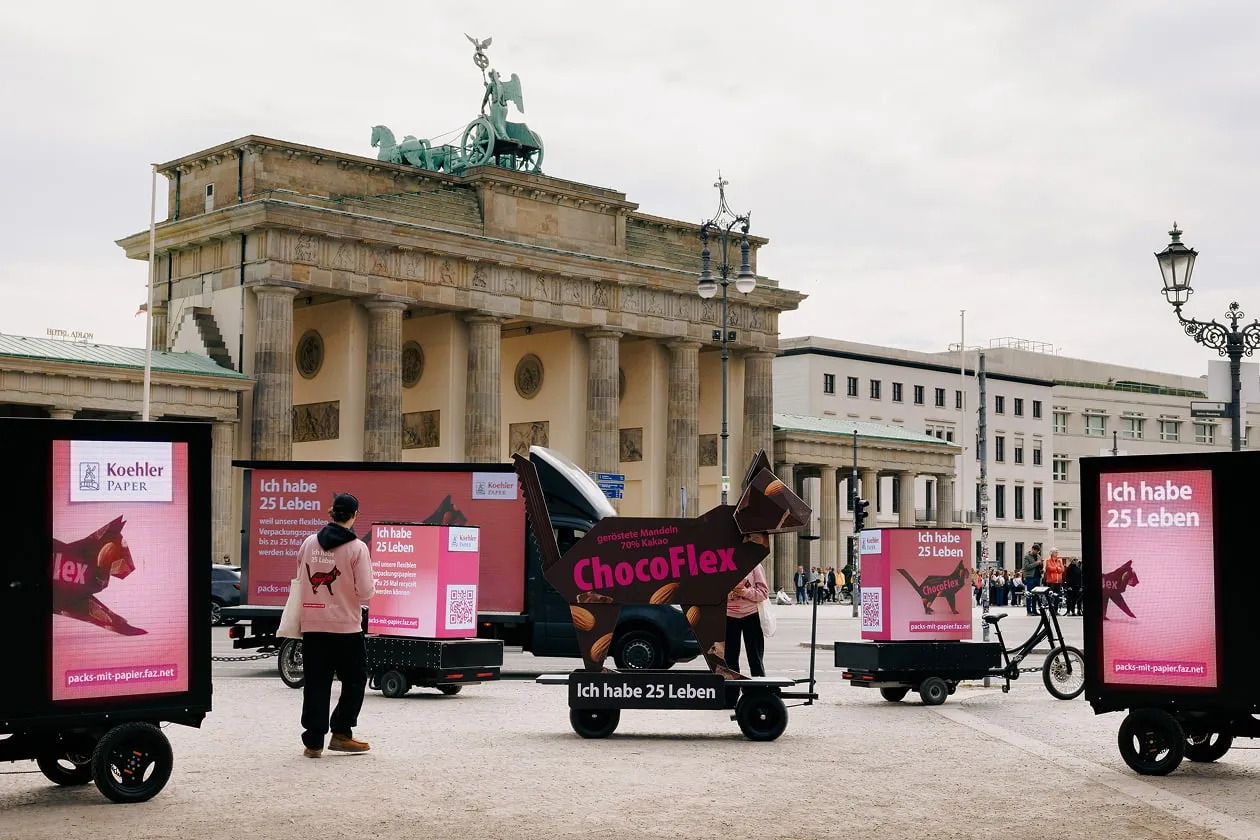
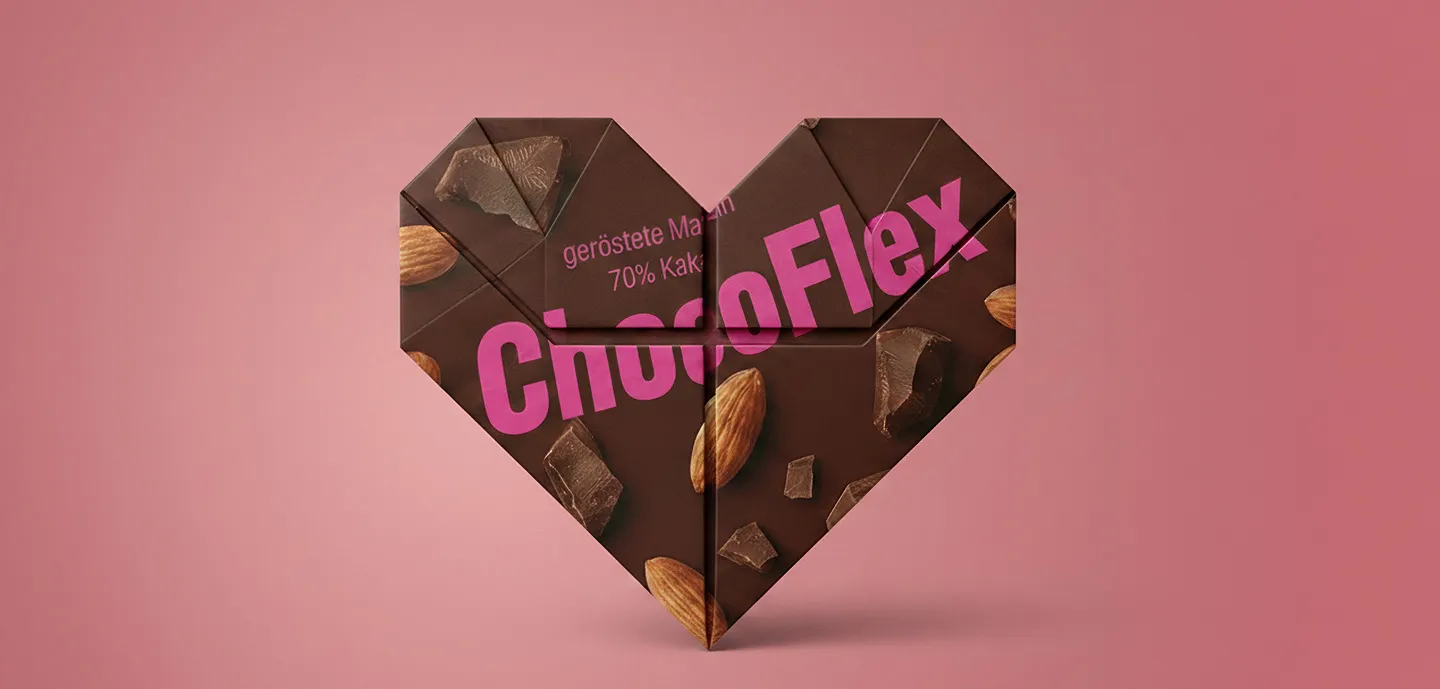
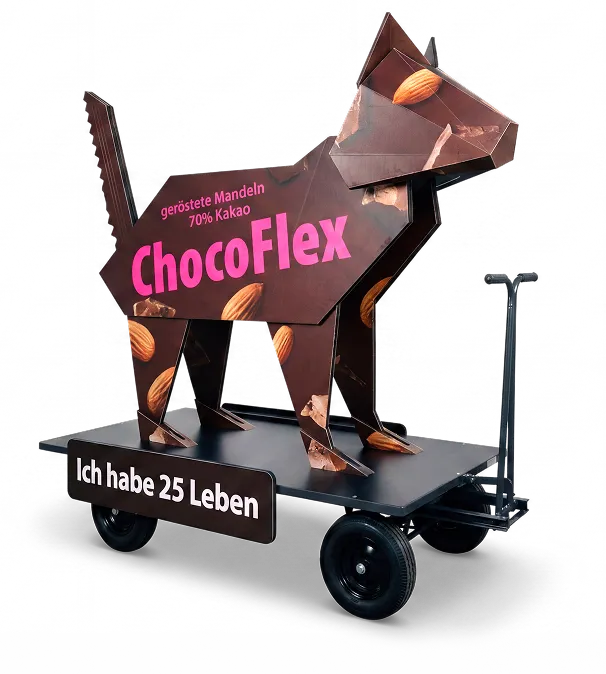
What can paper achieve as a packaging material today? Koehler Paper explored this question with a larger-than-life cat in an origami-style design and demonstrated during a roadshow where paper-based packaging solutions are already a viable alternative today.
From Kehl via Leipzig to Köln: on the first leg of Koehler Paper's nationwide roadshow, the Koehler Cat travelled to retailers, brands and manufacturers. Each stop put a different packaging topic centre stage: from recyclability and product protection to material efficiency, brand impact and industrial processing.
The first part of the tour showed just how versatile modern packaging papers are, and why circular solutions need to be considered across the entire value chain. The roadshow continues from September, when the cat will visit stops in north-eastern Germany.

Koehler Paper, Kehl
June 8, 2026
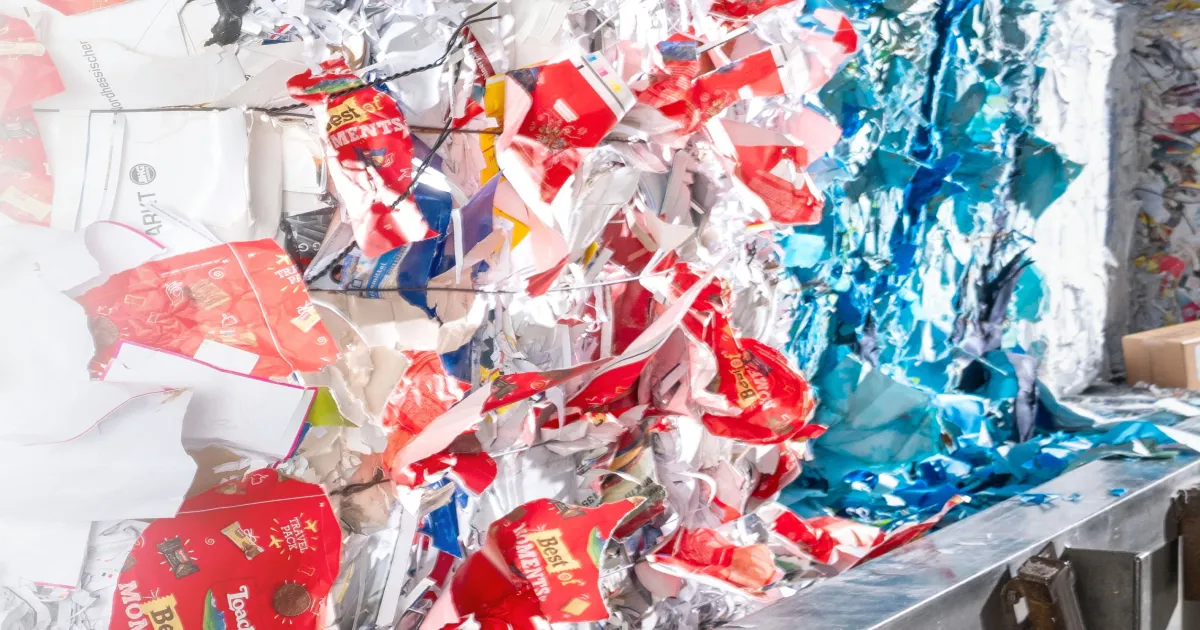
The tour starts where Koehler Paper's flexible packaging papers are made: at the Kehl site. The cat represents the recyclability of paper – and the many new lives that paper fibres can take on in the loop. Especially against the backdrop of new regulatory requirements, Koehler Paper shows why packaging must be thought through more consistently from its end of life onward.
Ulm
June 9, 2026
In Ulm, the focus shifts to retail. Large retail companies play a key role in choosing packaging materials and can visibly accelerate change on the shelf. This stop shows that circular packaging isn't created by the paper manufacturer alone, but through the interplay of retail, brands and industry.
Ritter Sport, Waldenbuch
June 10, 2026
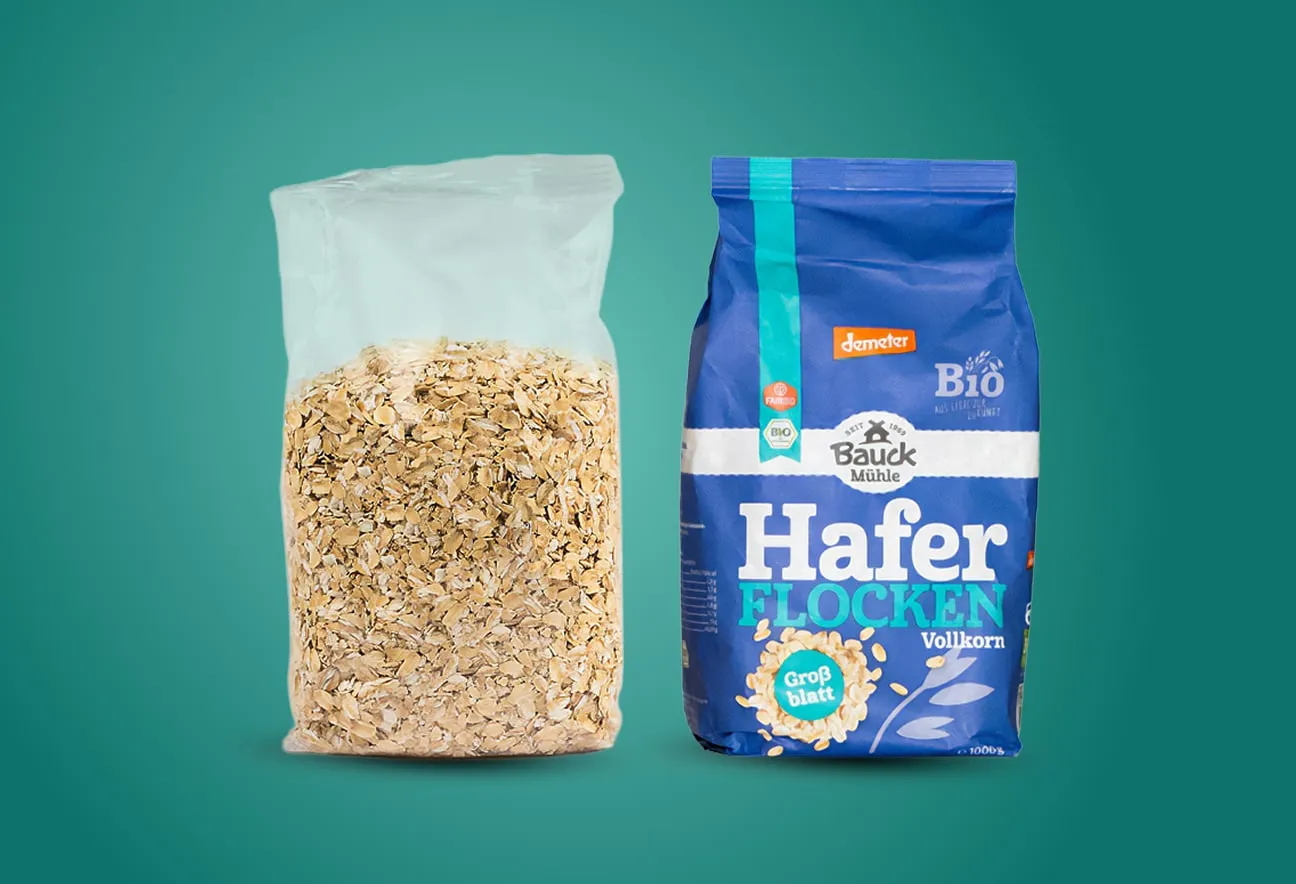
How can chocolate be reliably packaged – and what role can paper play in that? At Ritter Sport, the focus is on product protection, barrier requirements and the question of which packaging suits which type of chocolate. Petra Fix, Global Sustainability Communications Manager at Ritter Sport, makes it clear: paper packaging has great potential, but it always has to match the specific product requirements and the respective product range.
Bad Wimpfen
June 11, 2026
Large discount retailers move enormous volumes of goods. The demands placed on packaging are correspondingly high: it must be efficient, safe, easy to process and recyclable. In Bad Wimpfen, the tour shows why paper can not only reduce the share of plastic in packaging but also plays an important role in cost factors such as EPR fees.
Nestlé, Frankfurt am Main
June 12, 2026
Small portions pose particular challenges for packaging. Especially in the convenience and out-of-home sector, single-serve packaging is all about taste, freshness and stability – while using materials as efficiently as possible. The stop at Nestlé shows that many packaging questions don't begin with the material, but already with portioning.
Procter & Gamble, Schwalbach am Taunus
June 12, 2026
A package often fulfils its job after a short time – but its life afterwards can last much longer. That's why, at Procter & Gamble, the focus is on design for recycling: the simpler the material structure, sorting and separation, the better a package can become a raw material again. This stop shows that recyclability begins as early as the design stage.
nucao, Leipzig
June 15, 2026
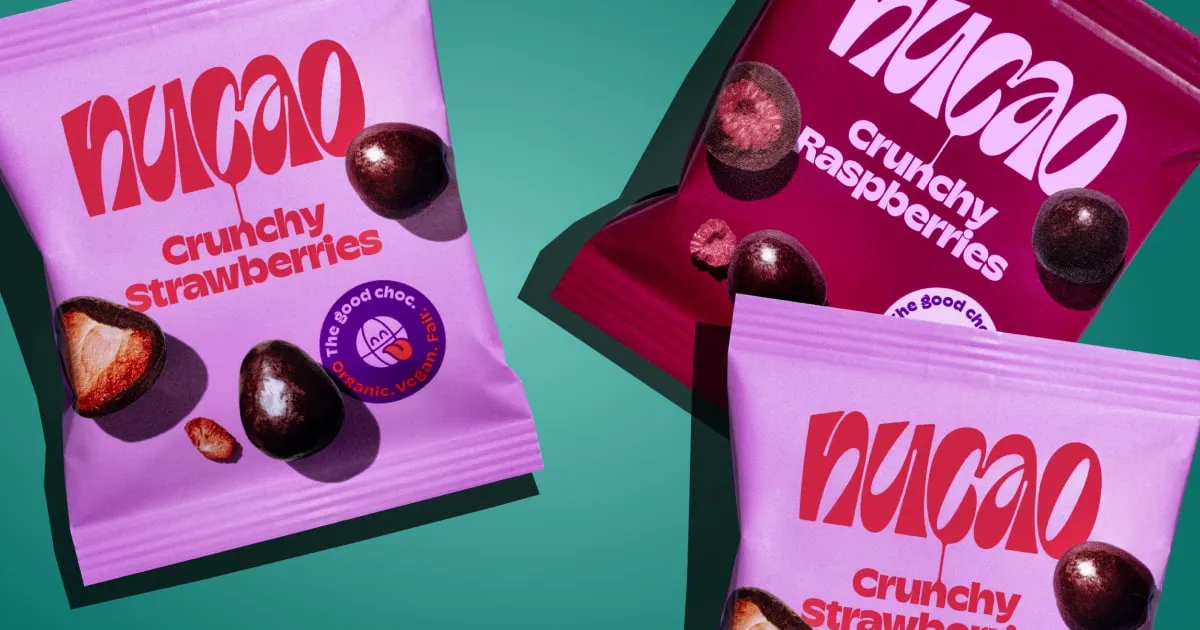
Paper doesn't run on modern packaging machines? nucao shows that this myth is outdated. The confectionery manufacturer packages its entire range in paper from Koehler Paper. The paper-based packaging runs smoothly on high-speed machines, and print quality is excellent. This stop shows that switching to paper isn't just a question of material – it's also a question of good collaboration.
REWE, Köln
June 17, 2026
At the supermarket shelf, first impressions often decide. Packaging must protect, inform, stand out and feel good in the hand. That's why this instalment focuses on brand and shelf impact. The stop at REWE shows that paper packaging can not only be perceived as more sustainable, but also make an important contribution to product presentation.